Your Complete Resource for Plant-Based Cultured Dairy Alternatives
What Are Plant-Based Cultured Dairy Alternatives and Why Are They Beneficial?
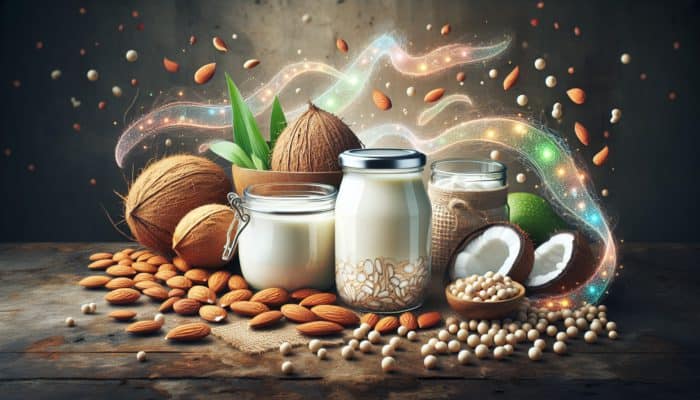
Plant-based cultured dairy alternatives have swiftly become a revolutionary sector within the food industry, presenting a variety of non-dairy options crafted through a natural fermentation process that utilizes beneficial bacteria. These alternatives are specifically designed to emulate the taste and texture of conventional dairy products, rendering them an appealing option for those adhering to dairy-free diets, whether due to health issues or personal lifestyle choices. Popular examples include almond yogurt, coconut kefir, and soy-based cheeses, showcasing the remarkable potential of plant-derived ingredients. Rising awareness about lactose intolerance, combined with an increase in individuals adopting vegan lifestyles, has significantly fueled the popularity of these cultured products worldwide, as consumers seek delicious yet health-conscious substitutes that align with their dietary preferences.
The culturing process encompasses fermenting plant-based milks with specific strains of bacteria, resulting in products enriched with probiotic cultures. This technique not only enhances the flavor and texture of the items but also delivers substantial health benefits. Grasping the essentials of cultured dairy alternatives is vital for anyone eager to explore innovative dietary choices that provide the creamy pleasure typically associated with dairy products.
Discover the Health Benefits of Adding Cultured Dairy Alternatives to Your Diet
Integrating cultured dairy alternatives into your everyday meals presents an array of advantages. Firstly, they act as a rich source of probiotics, which are crucial for supporting gut health and promoting effective digestion. These live microorganisms are fundamental in maintaining a balanced microbiome, ultimately enhancing overall wellness. Additionally, many cultured dairy alternatives typically feature lower calorie and fat content compared to traditional dairy products, making them a prudent choice for those closely monitoring their caloric intake.
Moreover, these alternatives are often loaded with vital nutrients, including vitamins and minerals essential for maintaining good health. For example, numerous products are fortified with calcium and vitamin D, both of which are critical in fostering robust bone health. Overall, embracing cultured dairy alternatives allows individuals to enjoy the flavors they love while simultaneously reaping health benefits that align with their unique dietary goals.
How to Choose the Best Cultured Dairy Alternatives for Your Dietary Needs
Selecting the most suitable cultured dairy alternatives necessitates careful consideration of various factors to ensure a nutritious and fulfilling selection. Begin by assessing the flavor and texture of each product. It is crucial to sample different brands and types, as each may present unique flavor profiles and consistencies. For instance, some individuals may favor the indulgent creaminess of coconut yogurt, while others might appreciate the zesty flavor of almond yogurt.
Furthermore, nutritional content is another key aspect to consider. Look for products that contain live cultures and minimal added sugars, as excessive sugar can diminish their health benefits. Additionally, choose alternatives that are devoid of artificial ingredients to ensure you are consuming wholesome, natural products. Lastly, consider opting for items that cater to your specific dietary restrictions, such as gluten-free options or those enriched with additional nutrients. By adhering to these guidelines, you can confidently select cultured dairy alternatives that meet your dietary preferences and taste requirements.
Professional Insights for Crafting Delicious Cultured Dairy Alternatives

What Essential Tips Should You Follow When Preparing Cultured Dairy Alternatives?
When creating cultured dairy alternatives, experts stress the significance of starting with high-quality, fresh ingredients to achieve optimal results. Proper fermentation conditions are essential; accurate temperature control and cleanliness are crucial for a successful outcome. Here are some indispensable recommendations to keep in mind:
- Utilize non-chlorinated water to safeguard the beneficial bacteria.
- Confirm that all equipment, including jars and utensils, are thoroughly sanitized.
- Maintain a consistent temperature, ideally between 20°C and 30°C (68°F to 86°F).
- Select high-quality starter cultures for maximum fermentation efficiency.
Adhering to these guidelines will empower you to produce cultured dairy alternatives that not only taste exquisite but also offer significant health benefits. Mastering the art of fermentation requires both skill and knowledge, and understanding these intricacies will assist you in perfecting your craft over time.
What Best Practices Should You Implement During the Fermentation Process of Dairy Alternatives?
Successful fermentation of dairy alternatives hinges on several best practices consistently advocated by experienced fermenters. First and foremost, selecting the right starter cultures is crucial. These cultures contain specific probiotic strains that significantly affect the final product’s flavor and texture. For instance, utilizing a mesophilic starter culture for coconut yogurt can yield a thicker consistency and a more pronounced flavor.
Maintaining stable temperatures throughout the fermentation process is equally critical. Most cultured dairy alternatives thrive best within a predetermined temperature range, typically indicated on the product’s instructions. Using a dedicated yogurt maker or creating a controlled environment can effectively manage these temperatures. Furthermore, regularly monitoring the fermentation process enables the early identification of potential issues, such as off-flavors or undesirable textures.
Employing non-reactive containers, such as glass or ceramic, is another expert tip to prevent chemical reactions that could adversely impact your cultured dairy alternatives. Paying attention to these details ensures you produce a product that not only meets your flavor expectations but also aligns with your health objectives.
How Can You Elevate the Flavor Profile of Cultured Dairy Alternatives?
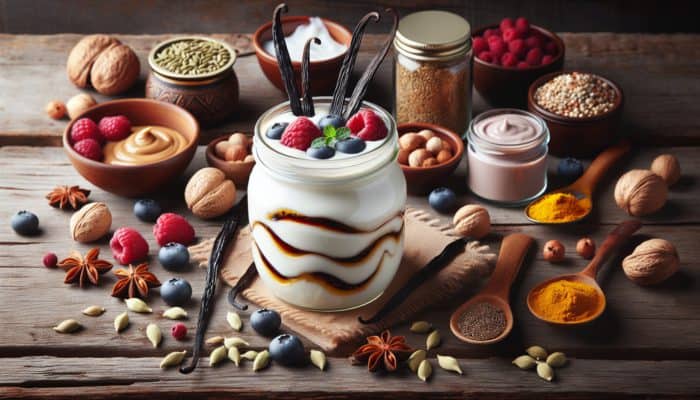
Enhancing the flavor of cultured dairy alternatives can transform a straightforward product into a culinary masterpiece. One effective method involves incorporating natural ingredients like fruits, herbs, or spices during or after the fermentation process. For instance, adding vanilla beans or fresh berries to coconut yogurt can significantly enrich its flavor profile.
Experimenting with different fermentation durations is another approach. Extended fermentation can yield a tangier product, which some may prefer, while a shorter duration may result in a milder taste. Additionally, consider blending your cultured alternatives with nut butters or seeds for added texture and flavor. Experts also recommend trying exotic spices such as cardamom or turmeric, which not only enhance flavor but also offer their health benefits.
Lastly, don’t hesitate to combine different cultured dairy alternatives to forge unique flavor fusions. For example, blending oat and almond milk kefir can create a delightful balance of creaminess and tang. Through exploration and creativity, you can discover flavors that cater to your individual preferences.
What Health Benefits Are Associated with Cultured Dairy Alternatives?
Cultured dairy alternatives provide an extensive array of health benefits, making them a valuable addition to various diets. Primarily, they are abundant in probiotics, which are essential for promoting gut health. Regular consumption can enhance the balance of gut flora, leading to improved digestion and a reduction in gastrointestinal discomfort. This is particularly beneficial for individuals experiencing conditions like IBS or lactose intolerance.
In addition to facilitating digestion, the probiotics found in cultured dairy alternatives can also bolster immune function. A healthy gut microbiome is vital for the body’s immune response, making these products advantageous for overall health. Furthermore, some studies suggest that probiotics may assist in managing inflammation and decreasing the risk of chronic diseases.
These alternatives typically contain fewer calories and less fat than traditional dairy products, making them an excellent option for individuals focused on weight management. Additionally, numerous cultured dairy alternatives are fortified with essential nutrients such as calcium and vitamin D, which are critical for maintaining strong bones and overall health. Including these alternatives in your diet can lead to a well-balanced, health-promoting dietary approach.
Diving into the Diverse World of Cultured Dairy Alternatives
What Are the Most Popular Varieties of Cultured Dairy Alternatives?
The realm of cultured dairy alternatives is vast and continually evolving, with numerous popular varieties gaining recognition. These encompass coconut yogurt, almond milk kefir, and cashew cheese, each presenting unique textures and flavors that appeal to various tastes. Coconut yogurt is lauded for its creamy texture and mild sweetness, making it an excellent base for smoothies or parfaits.
Almond milk kefir, known for its tangy flavor and probiotic content, is an ideal addition to breakfast cereals or can be enjoyed as a refreshing drink on its own. Cashew cheese has become a favorite for those exploring dairy-free cheesemaking options; it can be seasoned with herbs and spices to create delightful spreads or dips. Each of these alternatives not only replicates the sensory experience of traditional dairy but also offers distinct nutritional benefits, catering to diverse dietary preferences.
As the demand for dairy alternatives continues to grow, the market is consistently unveiling new and innovative products. From oat-based yogurts to hemp milk cheeses, the options are expanding, allowing consumers to enjoy a variety of flavors and nutritional profiles that support their health objectives.
How Are Cultured Dairy Alternatives Created and Fermented?
The production of cultured dairy alternatives is a fascinating fermentation process that transforms simple plant-based milks into delicious, probiotic-rich products. This process typically starts with heating the selected plant-based milk to eliminate any unwanted bacteria. This step is vital to ensure that only the beneficial bacteria from the starter culture thrive during fermentation.
Following the heating phase, the milk is cooled to the ideal fermentation temperature, usually between 20°C and 30°C (68°F to 86°F). The next step involves adding a specific bacterial culture, which may contain various probiotic strains tailored for the desired outcome. After mixing, the mixture is transferred into sterilized containers and left to ferment for a specified duration, which can range from several hours to a few days, depending on the product and environmental conditions.
During fermentation, the bacteria convert the sugars in the milk into lactic acid, thickening the mixture and imparting its characteristic tangy flavor. Once the desired consistency and flavor are achieved, the cultured dairy alternative is cooled to halt fermentation, resulting in a fresh, probiotic-rich product ready for consumption. This straightforward yet effective method allows anyone to create their own cultured dairy alternatives at home with the right ingredients and a touch of patience.
Understanding the Nutritional Profiles of Different Cultured Dairy Alternatives
Cultured dairy alternatives come in various forms, each featuring unique nutritional profiles tailored to diverse dietary needs. For example, coconut yogurt is often higher in fats, particularly medium-chain triglycerides, which provide quick energy. However, it may be lower in protein compared to almond or soy-based alternatives, which generally contain more of this essential nutrient.
Almond milk kefir tends to be lower in calories and can be fortified with additional vitamins and minerals, making it an excellent choice for those aiming to maintain a lighter diet while still enjoying the probiotic benefits of fermented foods. In contrast, products like cashew cheese offer a creamy texture and may be relatively high in healthy fats, making them a satisfying option for those seeking a rich, indulgent dairy alternative.
Understanding the nutritional profiles of these options empowers consumers to make informed decisions based on their dietary preferences and health objectives. Whether you are seeking higher protein content, lower calorie counts, or specific vitamins, the variety available ensures that there is a cultured dairy alternative suitable for everyone.
Health Benefits Connected with Cultured Dairy Alternatives
How Do Cultured Dairy Alternatives Enhance Digestive Health?
Cultured dairy alternatives play a crucial role in promoting digestive health due to their high probiotic content. Probiotics are live microorganisms that provide health benefits when consumed in adequate quantities, primarily by regulating the gut microbiome. Regular consumption of these cultured alternatives can enhance gut flora diversity, which is essential for optimal digestion and nutrient absorption.
Moreover, the probiotics present in cultured dairy alternatives can alleviate symptoms associated with digestive disorders such as bloating, constipation, and IBS. These beneficial bacteria help break down food more efficiently and can produce short-chain fatty acids, which are crucial for colon health. As a result, individuals incorporating these products into their diets often report improved digestive comfort and overall gut health.
Furthermore, regular consumption of cultured dairy alternatives can contribute to a balanced gut microbiome, vital for overall health. A well-maintained microbiome is linked to enhanced immune function, reduced inflammation, and even improved mental well-being. Therefore, integrating these options into your daily meals can foster a healthier digestive system and a more resilient microbiome.
Can Cultured Dairy Alternatives Aid in Weight Management?
Cultured dairy alternatives can be beneficial for individuals aiming to effectively manage their weight. Many of these products are lower in calories and fat compared to traditional dairy options, making them a smart choice for those looking to decrease their caloric intake without sacrificing flavor. For example, several almond and coconut-based alternatives have reduced fat content while still delivering satisfying tastes and textures.
Moreover, cultured dairy alternatives can promote feelings of fullness and satiety due to their protein and fat content. Consuming these alternatives can help curb hunger and prevent overeating, making them a valuable component of a weight management strategy. For instance, enjoying a serving of coconut yogurt topped with fruits and seeds can serve as a nutritious breakfast that keeps you satisfied until lunchtime.
Additionally, the presence of probiotics may play a role in weight management, as they can positively influence metabolism and fat storage. Some studies suggest that a balanced gut microbiome can help regulate body weight and lower the risk of obesity. Therefore, including cultured dairy alternatives in your diet may not only support weight management but also provide additional health benefits associated with good gut health.
Are There Allergen Benefits to Choosing Cultured Dairy Alternatives?
One of the significant advantages of cultured dairy alternatives is their compatibility with individuals who face common allergies, particularly those related to lactose and casein found in traditional dairy products. Most cultured alternatives, such as almond or coconut yogurt, are entirely free from these allergens, making them an excellent choice for those who are lactose intolerant or have dairy allergies.
By opting for cultured dairy alternatives, individuals can broaden their dietary choices without experiencing the discomfort typically associated with dairy consumption. This is particularly advantageous for those with lactose intolerance, as they can relish creamy and tangy yogurts or cheeses without adverse effects. Additionally, these alternatives often provide similar sensory experiences to traditional dairy products, enabling consumers to enjoy their favorite dishes while adhering to their dietary restrictions.
Beyond being allergen-friendly, many cultured dairy alternatives are also gluten-free, making them suitable for those with celiac disease or gluten sensitivities. This versatility ensures that a broader audience can enjoy these products without the fear of triggering allergies or intolerances. As a result, cultured dairy alternatives cater to various dietary needs while promoting inclusivity in culinary experiences.
Do Cultured Dairy Alternatives Strengthen Immune Function?
Cultured dairy alternatives can significantly bolster immune function, primarily due to their high probiotic content. Probiotics are well-known for their ability to enhance immune response by positively influencing gut health, which is intrinsically linked to the immune system. A balanced gut microbiome can help regulate inflammation and promote the production of immune cells, thereby enhancing the body’s defenses against infections.
Regular consumption of cultured dairy alternatives rich in probiotics can lead to improved gut health, resulting in a more resilient immune system. For example, some studies indicate that specific probiotic strains can reduce the incidence and duration of respiratory infections, underscoring their role in supporting immune function. This is particularly crucial during cold and flu seasons when the efficiency of the immune system is paramount.
Additionally, certain cultured dairy alternatives are fortified with vitamins and minerals that further enhance immune health. Nutrients such as vitamin D and zinc are essential for maintaining optimal immune function, and many products in this category cater to those needs. By integrating these alternatives into your diet, you can enjoy delicious flavors while also supporting your immune system and overall health.
Can Cultured Dairy Alternatives Support Bone Health?
Cultured dairy alternatives show promise for improving bone health, particularly when fortified with essential nutrients like calcium and vitamin D. These nutrients are crucial for maintaining bone density and preventing osteoporosis, making them especially important for individuals of all ages, particularly older adults and postmenopausal women.
Many commercial cultured dairy alternatives, such as fortified almond or soy yogurts, provide comparable levels of calcium found in cow’s milk, which is particularly valuable for those who are lactose intolerant or prefer to avoid dairy products altogether. In addition to calcium, vitamin D is pivotal for ensuring proper calcium absorption; thus, products fortified with both nutrients can effectively support bone health.
Furthermore, regular consumption of cultured dairy alternatives can help create a balanced diet that aligns with healthy lifestyle choices. These products often contain additional vitamins, minerals, and probiotics, which can further enhance overall health and well-being. By incorporating fortified cultured dairy alternatives into your meals, you can enjoy delicious options while proactively supporting your bone health and overall wellness.
Easy Recipes for Homemade Cultured Dairy Alternatives
Simple Recipes for Making Your Own Cultured Dairy Alternatives
Creating delightful cultured dairy alternatives at home can be both fulfilling and simple. Basic recipes like coconut yogurt and almond milk kefir require minimal ingredients while offering plenty of opportunities for flavor customization. To prepare a basic coconut yogurt, gather the following ingredients:
- 1 can of full-fat coconut milk
- 2 tablespoons of probiotic powder or a probiotic capsule
- 1 tablespoon of maple syrup (optional)
- 1 teaspoon of vanilla extract (optional)
To make the yogurt, combine the coconut milk and sweetener in a sterilized jar. Next, add the probiotic culture, mixing thoroughly to ensure even distribution. Cover the jar with a clean cloth and secure it with a rubber band to allow for air circulation. Place the jar in a warm, dark environment to ferment for 24 to 48 hours. Once your yogurt reaches the desired tanginess, refrigerate it to halt fermentation, and enjoy it topped with your favorites.
Another straightforward recipe is almond milk kefir, which involves using almond milk and a kefir starter culture available at health stores or online. Follow similar steps by mixing the culture into the almond milk, allowing it to ferment, and then refrigerate. Whether you choose coconut yogurt or almond milk kefir, the possibilities for flavor customization are endless, making it easy to cater to your personal tastes.
How to Successfully Create Cultured Dairy Alternatives at Home?
Making cultured dairy alternatives at home not only allows you to control the ingredients but also invites creative experimentation. The process begins with selecting the right plant-based milk, introducing a starter culture, and fermenting at the appropriate temperature. Start by choosing a plant-based milk that suits your taste preferences; options include coconut, almond, soy, or oat.
Once you have your base, heat the milk to eliminate any unwanted bacteria. After cooling it to the proper fermentation temperature, introduce your chosen starter culture, ensuring it’s well blended. Cover the mixture with breathable cloth, and place it in a warm, dark location to ferment for about 24 hours, depending on the product and desired flavor profile.
Homemade fermentation allows you to tailor the taste and texture of your cultured dairy alternatives. You can experiment with varying fermentation durations to achieve the desired tanginess or add fruits, herbs, and spices to enhance flavors. By taking this DIY approach, you can enjoy fresh, wholesome cultured dairy alternatives that align perfectly with your dietary preferences and health objectives.
Advanced Recipes for Creative Cultured Dairy Alternatives
For those looking to explore more sophisticated culinary options, advanced recipes like cultured cashew cheese or flavored kefir drinks can elevate your culinary experience. Cultured cashew cheese necessitates soaking raw cashews in water for several hours before blending them with a starter culture, nutritional yeast, and desired seasonings. This mixture is then fermented for 24 to 48 hours, resulting in a creamy, tangy cheese that can be spread on crackers or used as a dip.
Flavored kefir drinks can be created by fermenting almond or coconut milk with a kefir starter and adding fruits or spices after the initial fermentation. Popular combinations include mango and ginger or strawberry and basil. Allow the infused kefir to ferment for an additional 12 to 24 hours to develop complex flavors.
These advanced recipes may involve additional steps compared to basic options, but they yield rewarding results. The process of creating cultured dairy alternatives at home fosters a deeper appreciation for fermentation while enabling you to craft delicious products tailored to your taste. Explore various flavor profiles and ingredients to fully enjoy the art of cultured dairy alternatives.
Research-Backed Health Benefits of Cultured Dairy Alternatives
What Does Scientific Research Reveal About the Health Benefits of Cultured Dairy Alternatives?
Numerous studies suggest that cultured dairy alternatives can provide multiple health benefits, particularly concerning gut health and immune function. Research highlights the role of probiotics in enhancing digestive health by improving gut flora diversity, leading to better nutrient absorption and reduced gastrointestinal discomfort. Additionally, fermented products have been linked to lower cholesterol levels and improved metabolic health.
Further studies indicate that consuming cultured dairy alternatives may help boost immunity, potentially reducing the incidence of infections. Probiotics enhance the body’s immune response by modulating gut health, which is vital for overall immune function. This makes cultured dairy alternatives not only delicious but also a proactive choice for health-conscious individuals.
Here are some key findings from research regarding the health benefits of cultured dairy alternatives:
- Probiotics enhance gut health and digestion.
- Regular intake is associated with improved immune response.
- Fermented products may help lower cholesterol levels.
- Some studies suggest a correlation between probiotics and a reduced risk of chronic diseases.
By understanding these research-backed benefits, consumers can make informed choices about incorporating cultured dairy alternatives into their diets, recognizing their potential to promote overall health and wellness.
How Do Cultured Dairy Alternatives Compare Nutritionally to Traditional Dairy Products?
When comparing cultured dairy alternatives to traditional dairy, several distinctions in nutritional profiles become apparent. Generally, many cultured dairy alternatives are lower in saturated fats and calories, rendering them appealing options for health-conscious individuals. For instance, almond milk often contains fewer calories than whole cow’s milk, catering to those looking to reduce caloric intake.
In terms of protein content, traditional dairy products often boast higher levels, particularly in the case of Greek yogurt. However, many cultured dairy alternatives are fortified with additional protein or other essential nutrients, making them competitive substitutes. Nutritional yeast, for example, can be added to cashew cheese recipes to enhance protein content and flavor.
Cultured dairy alternatives can also provide unique health benefits, such as higher counts of probiotics, which contribute to gut health. Traditional dairy products may not contain the same level of beneficial bacteria unless specifically labeled as probiotic. Therefore, the choice between cultured dairy alternatives and traditional dairy often hinges on individual dietary needs and preferences, with both options providing valuable nutrients.
Can Cultured Dairy Alternatives Enhance Overall Well-Being?
Integrating cultured dairy alternatives into your diet can indeed enhance overall well-being. These products are rich in essential nutrients, probiotics, and vitamins, contributing to a balanced and healthful diet. Regular consumption of cultured dairy alternatives has been associated with improved gut health, which can enhance mental well-being, immune function, and even boost energy levels.
Moreover, many individuals who transition from traditional dairy to cultured dairy alternatives report a noticeable reduction in digestive discomfort. This improvement often leads to a greater sense of well-being, allowing people to enjoy their meals without the worry of adverse reactions. Additionally, the versatility of cultured dairy alternatives makes them easy to incorporate into various recipes, simplifying the process of enjoying their benefits daily.
As part of a balanced diet, these alternatives can help ensure you obtain the necessary nutrients for optimal health. From fortified options rich in calcium and vitamin D to probiotic-packed products, cultured dairy alternatives can play a crucial role in promoting overall wellness and vitality.
Are Cultured Dairy Alternatives Suitable for Specific Dietary Needs?
Cultured dairy alternatives are incredibly versatile and can cater to a variety of dietary needs, making them an excellent choice for individuals with specific restrictions. For instance, those who are lactose intolerant can enjoy these products without experiencing discomfort, as they are free from lactose. This opens up a world of culinary possibilities for those who must avoid traditional dairy.
Additionally, many cultured dairy alternatives are naturally vegan, making them suitable for individuals adhering to plant-based diets. Options such as coconut yogurt, hemp milk kefir, and cashew cheese provide delicious, dairy-free alternatives while preserving the sensory experiences associated with dairy products. Furthermore, these alternatives often come in gluten-free options, ensuring that those with celiac disease or gluten sensitivities can enjoy them without concern.
Beyond dietary restrictions, cultured dairy alternatives are increasingly fortified with essential nutrients like calcium and vitamin D, thereby meeting the nutritional needs of various populations. This adaptability allows consumers from all walks of life to enjoy the benefits of cultured dairy alternatives while aligning with their health and dietary goals.
Addressing Common Challenges with Cultured Dairy Alternatives
What Are Common Issues Encountered When Making Cultured Dairy Alternatives?
Creating cultured dairy alternatives at home can sometimes lead to common problems that may frustrate eager fermenters. Inconsistent fermentation is a frequent issue, often stemming from fluctuating temperatures or improper starter culture ratios. Any variations in temperature can affect the growth of beneficial bacteria, leading to a lack of desired tanginess or texture.
Another common problem is off-flavors, which can occur due to contamination, poor-quality ingredients, or fermentation for too long. Failing to ensure all equipment is properly sanitized can introduce unwanted bacteria, negatively impacting the flavor profile. Texture issues, such as grainy or watery consistencies, may also arise, often resulting from improper mixing or using the wrong thickener.
Understanding these potential challenges allows you to take preventive measures and ensure a successful fermentation process. By maintaining a clean environment, using high-quality ingredients, and monitoring fermentation conditions, you can significantly reduce the likelihood of these issues and create delicious cultured dairy alternatives.
How Can You Fix Fermentation Failures in Cultured Dairy Alternatives?
Fermentation failures can often be addressed by making adjustments to your process. If your cultured dairy alternative isn’t fermenting correctly, the first step is to check the temperature. Ensuring that the fermentation environment remains consistently within the optimal range can greatly influence the success of the process. If the temperature is too low, consider relocating the jar to a warmer spot or using a yogurt maker.
Hygiene is another crucial element. If off-flavors or contamination are concerns, revisit your cleaning practices. Ensuring all equipment is thoroughly sanitized before use can help prevent unwanted bacteria from hindering fermentation. Additionally, using fresh starter cultures is essential; if your culture has expired or been improperly stored, it may not perform effectively.
Lastly, be patient. Fermentation often requires a delicate balance of time and conditions, so allowing additional time may resolve minor issues. By adjusting these factors, you can often salvage a failed batch and ensure success in future attempts.
What Strategies Can Help You Achieve the Perfect Texture in Cultured Dairy Alternatives?
Achieving the ideal texture in cultured dairy alternatives often involves a combination of precise techniques and ingredients. One key tip is to closely monitor fermentation time and temperature. Lengthening the fermentation period can result in a creamier texture, while a shorter duration may yield a lighter product. Experimenting with these variables helps you find the perfect balance for your preferences.
Using the right thickeners is another effective strategy for enhancing texture. Ingredients such as agar agar, pectin, or even a small amount of cornstarch can help achieve that creamy consistency many desire. When incorporating thickeners, it’s important to dissolve them properly before adding them to your cultured dairy mixture to ensure an even texture throughout.
Blending the final product can also help achieve a smooth and creamy consistency. After fermentation, use a high-speed blender to incorporate air into your cultured dairy alternative, resulting in a light and airy product. These techniques, combined with experimentation, will help you master the art of texture in your cultured dairy alternatives, allowing you to create products that are not only delicious but also visually appealing.
Incorporating Cultured Dairy Alternatives into Your Daily Meals
How Can You Seamlessly Integrate Cultured Dairy Alternatives into Everyday Meals?
Incorporating cultured dairy alternatives into your daily meals can be both straightforward and beneficial. These products can easily replace traditional dairy in a variety of dishes, allowing you to relish familiar flavors while adhering to dietary preferences. For example, use coconut yogurt as a base for smoothies, providing a creamy texture and tropical flavor that enhances any beverage.
Additionally, cultured dairy alternatives can serve as toppings for breakfast items. Consider dolloping almond milk kefir on oatmeal or pancakes for a tangy twist, or mixing it into your morning smoothie bowl to add probiotics. Baking is another area where these alternatives excel; you can substitute cultured dairy products for sour cream or buttermilk in recipes for cakes, muffins, and scones.
Reimagining traditional recipes by substituting cultured dairy alternatives opens up a world of culinary creativity. Whether you seek healthier options or simply wish to expand your palate, these alternatives can easily become a staple in your daily meals, contributing both flavor and nutrition.
What Are Some Innovative Ways to Enjoy Cultured Dairy Alternatives?
The versatility of cultured dairy alternatives allows for imaginative culinary applications that extend beyond basic consumption. One enjoyable method to use these products is by making dairy-free ice cream. By blending frozen fruits with coconut yogurt and a touch of sweetener, you can create a creamy, refreshing dessert that rivals traditional ice cream.
You can also experiment with sauces or dressings. For instance, blending cashew cheese with herbs and spices can yield a delicious dip perfect for crudités or crackers. Cultured dairy alternatives also shine in savory dishes; using almond milk kefir in salad dressings adds a unique tang and creaminess that elevates the flavor profile of salads.
Incorporating these alternatives into your meals offers not only health benefits but also the opportunity to explore new flavors and textures. Whether whipping up a quick snack or preparing a full meal, the possibilities are endless, making cultured dairy alternatives a delightful addition to any culinary repertoire.
Can Cultured Dairy Alternatives Be Used in Cooking and Baking?
Absolutely! Cultured dairy alternatives can be effectively utilized in cooking and baking, often serving as direct substitutes for traditional dairy products. For example, coconut yogurt can replace sour cream in recipes, adding moisture and flavor to dishes without the dairy content. This substitution works wonderfully in baked goods, lending a subtle sweetness and creaminess.
Similarly, almond milk kefir can be used in place of buttermilk or regular milk in pancake or waffle recipes, resulting in fluffy, tender breakfast delights. When preparing savory dishes, consider using cashew cheese as a substitute for ricotta in pasta or lasagna, creating satisfying plant-based options for those avoiding dairy.
These alternatives not only perform similarly to their dairy counterparts but also allow for the inclusion of beneficial probiotics in your meals. By adapting your favorite recipes to include cultured dairy alternatives, you can savor the flavors you love while adhering to healthier lifestyle choices.
What Nutritional Advantages Are Offered by Cultured Dairy Alternatives?
Cultured dairy alternatives provide a wealth of nutritional benefits that make them a wise addition to any diet. Rich in probiotics, these products positively contribute to gut health, fostering a balanced microbiome and promoting effective digestion. The presence of beneficial bacteria aids in nutrient absorption, ensuring that your body receives the maximum benefits from the foods you consume.
Many cultured dairy alternatives are also lower in calories and fat than traditional dairy products, making them suitable for those looking to reduce their caloric intake while still enjoying creamy textures and rich flavors. Additionally, many of these products are fortified with essential vitamins and minerals, such as calcium and vitamin D, providing vital nutrients needed for bone health.
Incorporating cultured dairy alternatives into your meals can also support weight management and enhance overall well-being. The combination of probiotics, essential nutrients, and lower calories creates a healthful addition to your diet, allowing you to enjoy the best of both worlds in flavor and nutrition.
Future Innovations in Cultured Dairy Alternatives
What New Innovations Are Transforming the Cultured Dairy Alternatives Market?
The field of cultured dairy alternatives is witnessing exciting innovations, driven by increasing consumer demand for health-focused, plant-based options. One notable trend is the development of new fermentation techniques that enhance product consistency and flavor. Manufacturers are exploring advanced fermentation processes that facilitate better control over taste and texture, resulting in high-quality dairy alternatives that closely mimic traditional products.
Additionally, new plant-based milks are continually emerging on the market, catering to diverse preferences and dietary needs. Innovations include options made from novel sources such as pea protein, hemp, and even unique formulations that combine multiple ingredients to create balanced profiles. This variety enables consumers to select products that align best with their health goals and taste preferences.
Furthermore, the focus on enhancing nutritional profiles is becoming increasingly prevalent. Manufacturers are fortifying cultured dairy alternatives with additional vitamins, minerals, and proteins, ensuring that these products deliver more than just flavor. As the market continues to evolve, we can expect to see even more innovative offerings that cater to the health-conscious consumer.
How Is the Market for Cultured Dairy Alternatives Evolving?
The market for cultured dairy alternatives is experiencing robust growth, fueled by heightened consumer awareness regarding health and dietary preferences. As more individuals seek dairy-free options due to lactose intolerance, veganism, or health concerns, the demand for diverse and delicious cultured alternatives continues to rise. This trend is prompting the emergence of new brands and product varieties, enhancing consumer choice.
Moreover, established dairy companies are expanding their product lines to encompass cultured dairy alternatives, acknowledging the shift in consumer preferences. This transition not only validates the demand for dairy-free options but also encourages innovation within the industry. With increasing availability, consumers can easily access high-quality cultured dairy alternatives, making it simpler than ever to integrate them into their diets.
Additionally, sustainability is becoming a significant focus, as consumers increasingly consider the environmental impact of their food choices. Cultured dairy alternatives typically have a lower carbon footprint than traditional dairy, making them an appealing option for environmentally conscious consumers. As the market continues to evolve, we can anticipate more innovative products that cater to both health and sustainability, reinforcing the appeal of cultured dairy alternatives.
Frequently Asked Questions About Cultured Dairy Alternatives
What Are Cultured Dairy Alternatives?
Cultured dairy alternatives are non-dairy products that undergo fermentation with beneficial bacteria, mimicking the taste and texture of traditional dairy, making them ideal for those seeking dairy-free options.
Are Cultured Dairy Alternatives Healthy?
Yes, they are typically lower in calories and fat, rich in probiotics, and provide essential nutrients, making them a healthy choice for many diets.
Can I Make Cultured Dairy Alternatives at Home?
Absolutely! Making cultured dairy alternatives at home involves fermenting plant-based milks with specific starter cultures, allowing for creativity and control over ingredients.
What Are the Most Popular Types of Cultured Dairy Alternatives?
Popular types include coconut yogurt, almond milk kefir, and cashew cheese, each offering unique flavors and textures while providing nutritional benefits.
How Can I Enhance the Flavor of Cultured Dairy Alternatives?
You can enhance their flavor by adding natural ingredients like fruits, herbs, or spices during or after fermentation, resulting in exciting taste variations.
Can Cultured Dairy Alternatives Help with Digestive Health?
Yes, the probiotics in cultured dairy alternatives support gut health by promoting a balanced microbiome, aiding digestion, and reducing discomfort.
Are Cultured Dairy Alternatives Suitable for Lactose Intolerant Individuals?
Absolutely! Cultured dairy alternatives are typically free from lactose, making them ideal for those with lactose intolerance or dairy allergies.
How Do Cultured Dairy Alternatives Compare Nutritionally to Traditional Dairy?
Cultured dairy alternatives are often lower in calories and saturated fats, and some are fortified with vitamins and minerals, making them a nutritious substitute.
What Are Some Creative Ways to Use Cultured Dairy Alternatives?
You can use them in smoothies, as toppings, in baking, or to create sauces and dressings, providing a versatile addition to your meals.
What Innovations Are Emerging in the Cultured Dairy Alternatives Market?
Emerging innovations include new fermentation techniques, novel plant-based milks, and enhanced nutritional profiles, catering to the rising demand for health-focused products.
Connect with us on Facebook!
The post Best Recipes for Cultured Dairy Alternatives: A Universal Guide appeared first on https://cookinggods.com
The Article Cultured Dairy Alternatives: Top Recipes for Everyone Was Found On https://limitsofstrategy.com
The Article Cultured Dairy Alternatives: Best Recipes for All First Appeared ON
: https://ad4sc.com