Your Ultimate Guide to Preparing for Blizzard Conditions: Essential Steps for Safety
Effective Strategies for Stockpiling Non-Perishable Foods Before a Blizzard
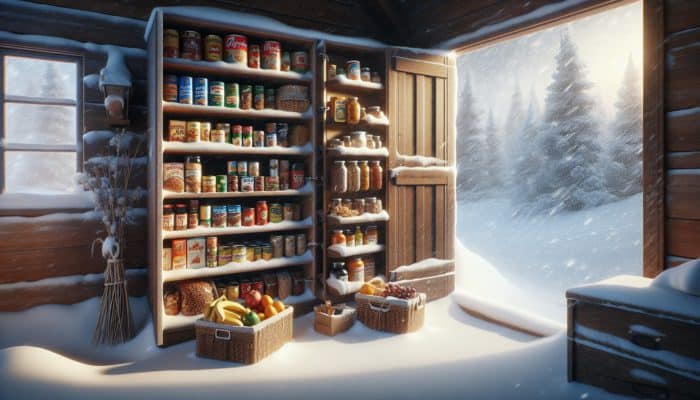
As you prepare for a blizzard, prioritizing the stocking of non-perishable foods is essential for ensuring you have adequate sustenance throughout the storm. Non-perishable foods are convenient and have a long shelf life, making them ideal for emergency situations. These items are rich in nutritional value and require minimal preparation, providing the energy needed to help you endure the storm. Consider including the following essential food items in your emergency pantry:
- Canned vegetables and fruits
- Pasta and rice
- Dried beans and lentils
- Canned meats, such as tuna or chicken
- Peanut butter or alternative nut butters
- Granola bars and protein bars
- Powdered milk or shelf-stable dairy alternatives
- dried fruits and nuts
These food options provide substantial nutrition and require little preparation, which is particularly advantageous during severe weather when cooking may not be feasible. Having these essential staples on hand can significantly enhance your health and energy levels during challenging times, ensuring you remain nourished and able to manage the situation effectively.
How Long Can Your Food Remain Viable in Severe Blizzard Conditions?
The viability of your food during a blizzard is influenced by several factors, including temperature, packaging, and the type of food. Properly stored food can last for several days, but understanding these variables is critical for optimizing your supplies. For instance, foods kept in a cool, dry environment typically last longer than those exposed to temperature fluctuations. Knowing how to manage these elements can greatly aid you in effectively planning and maximizing your food storage strategies for the impending storm.
How to Systematically Organise Your Food Supply for Quick and Easy Access?
An efficiently organized food supply is crucial during blizzard conditions to ensure easy accessibility and effective inventory rotation. By methodically arranging your food storage, you can quickly locate the items you need as the storm approaches. Organize your supplies by expiration date and food type. This method not only improves visibility but also encourages stock rotation, ensuring that older items are consumed first. Maintaining a well-structured storage area alleviates stress during emergencies, providing peace of mind that everything is in its designated place.
Expert Techniques for Effective Food Storage During Blizzard Conditions

What Are the Most Reliable Containers for Food Storage During a Blizzard?
Choosing the right containers for food storage is vital for maintaining quality and safety amid blizzard conditions. Selecting sturdy containers that offer insulation and are appropriately sized for your food items can greatly enhance their longevity. Opt for airtight containers made from materials such as glass or heavy-duty plastic, as these prevent moisture and pests from compromising your food supply. Additionally, labeling containers with dates can assist in organization and ensure that you consume your items within their optimal timeframe, further enhancing your food management strategy.
Learn from Real-World Successful Food Storage Examples During Blizzards
Many communities worldwide have faced blizzards and developed effective strategies for food storage. For example, in the Midwest of the United States, families often prepare by stockpiling canned goods and freezing items such as meats and vegetables. Some regions have even set up local food banks to ensure everyone has access to vital supplies before a storm arrives. These successful strategies highlight the importance of preparedness and community collaboration in blizzard food storage, demonstrating the power of collective action during tough times.
How Can You Ensure Food Safety in Cold Weather Conditions?

Upholding food safety during cold weather is of utmost importance. Key considerations include monitoring temperature, utilizing proper storage methods, and preventing contamination. Use a thermometer to ensure your food remains at safe temperatures, especially if storing perishables outdoors. Furthermore, keeping food covered and sealing containers minimizes the risk of contamination from external elements, safeguarding your provisions. By implementing these measures, you can ensure that your food remains safe and consumable throughout the storm, protecting your health and wellbeing.
What Key Factors Should You Consider When Choosing a Food Storage Location During a Blizzard?
When selecting an optimal location for food storage during a blizzard, it is essential to consider factors like accessibility and protection from the elements. An ideal spot would be a cool, dry area that is also easily reachable during a storm. Ensure that the location is secure, allowing you to quickly retrieve essential supplies without risking exposure to hazardous weather conditions. By thoughtfully choosing your food storage site, you can significantly enhance your preparedness and response capabilities in the event of a blizzard.
How to Effectively Prepare Your Food Supplies Before a Blizzard Strikes?
Preparing your food supplies before a blizzard involves several critical steps: stockpiling non-perishable foods, organizing your storage, and planning meals. Ensure you have enough supplies to last several days, taking into account potential power outages and limited access to stores. Create a detailed meal plan that incorporates your stored items, ensuring you have a diverse range of options available throughout the storm. Being proactive in your preparations can significantly bolster your resilience and self-sufficiency during severe weather events.
Key Food Items for Thorough Blizzard Preparedness
Which Foods Should You Prioritize for Blizzard Conditions?
When preparing for a blizzard, focusing on foods that offer essential nutrients and energy is crucial. In addition to the non-perishable items previously mentioned, prioritize energy-dense foods such as canned goods, dried fruits, and nuts. These foods deliver quick energy, are lightweight, and are easy to store, making them ideal for emergencies. Ensuring your food supply is rich in these nutritional options can help maintain your health and vitality during harsh weather conditions, enabling you to navigate the storm effectively.
How to Store Water for Emergency Situations During Blizzards?
Water is an essential component of your emergency supplies, necessary for both drinking and cooking. Ensure you have an adequate quantity of water stored in clean, sealed containers. A good rule of thumb is to stock at least one gallon of water per person per day for a minimum of three days. Regularly rotate your water supply to ensure freshness, replacing older bottles with new ones to maintain quality. This practice is vital for ensuring that you remain hydrated and prepared during a blizzard, which is essential for your overall wellbeing.
How to Address Special Dietary Needs in Your Blizzard Preparations?
Considering special dietary needs is essential during a blizzard. Take into account any allergies or dietary restrictions when stocking your food supplies. Including alternatives such as gluten-free grains, plant-based proteins, and low-sodium options ensures that everyone in your household can maintain their health and wellbeing, even amidst challenging conditions. By planning ahead, you can meet all dietary requirements, making your food storage strategy both inclusive and effective for all family members.
The Research-Backed Benefits of Effective Blizzard Food Storage
Implement Practical Steps to Create a Comprehensive Food Storage Plan
Creating a robust food storage plan requires careful planning and organization. Start by compiling an inventory of your current supplies and generating a list of additional items you need. Set a timeline for purchasing these items, ideally well before the blizzard season begins. A useful checklist may include tasks such as organizing your pantry, labeling containers, and preparing meals that utilize your stored items. Following these actionable steps can significantly enhance your preparedness for extreme weather events, ensuring you are always ready.
How Does Proper Food Storage Impact Health During Emergencies?
Effective food storage plays a crucial role in maintaining health during emergencies. A well-stocked food supply guarantees access to nutritious options, preventing spoilage and waste. By prioritizing nutrient-dense foods and storing them correctly, you can ensure your family receives essential vitamins and minerals, even in adverse conditions. This focus on health is vital for sustaining energy and wellbeing during challenging times, highlighting the importance of effective food storage practices to support your family’s health.
Expert Analysis on the Psychological Benefits of Being Prepared for Severe Weather
Having a food storage plan in place can significantly reduce stress and anxiety during blizzard conditions. Knowing you are prepared provides a sense of security and calm amidst uncertainty. Experts suggest that preparedness fosters resilience, empowering individuals and families to face challenges confidently while reducing feelings of helplessness. This psychological aspect of readiness greatly enhances your overall experience during extreme weather events, making it a critical consideration in your preparation strategies.
Evaluate the Cost-Effectiveness of Blizzard Food Storage Solutions
The financial benefits of implementing a food storage system for blizzards can be substantial. While there may be initial setup costs, having a well-stocked supply can lead to significant savings during emergencies, as prices often rise when demand increases. Additionally, buying in bulk can yield savings, and avoiding last-minute grocery trips during storms can prevent overspending. By assessing the cost-effectiveness of your food storage strategy, you can make informed decisions that enhance both your finances and your preparedness initiatives.
Best Practices for Rotating and Maintaining Your Food Stock
What Is the Most Efficient Method for Rotating Your Food Supplies?
Implementing a first-in, first-out (FIFO) system is the most effective method for rotating your food stocks. This approach ensures older items are used first, preserving freshness and minimizing waste. To facilitate this process, label items with purchase or expiration dates and organize your storage so that the oldest items are at the front. By applying FIFO, you maintain the quality of your food supplies and create a straightforward yet effective strategy for ensuring your provisions are consumed before their expiry dates.
How to Check for Spoilage and Contamination in Your Food Stock?
Conducting regular inspections of your food stock is crucial for ensuring safety and quality. Look for signs of spoilage or contamination by observing changes in color, smell, or texture. Properly stored food should remain intact; if anything appears questionable, it is wise to err on the side of caution and discard it. This vigilance not only protects your health but also ensures that your food supply remains reliable and safe during emergencies, allowing you to depend on your provisions when needed most.
How to Restock Your Supplies After a Blizzard Event?
Once the blizzard has passed, it is essential to review your food supply and replenish what was consumed. Take stock of your inventory, identify which items are low, and restock based on your current needs and the likelihood of future storms. Keeping your supplies fresh and up-to-date ensures you are always prepared for the next weather event. This proactive approach greatly enhances your resilience and readiness for future challenges, ensuring you are never caught off guard again.
How to Organise Your Food Storage Space for Maximum Efficiency?
An organized food storage space can significantly impact your preparedness during an emergency. Arrange your storage area to improve accessibility and visibility. Group similar items together and place frequently used items at the front. This organization simplifies the process of locating what you need during a storm and supports an efficient stock rotation system. By maintaining order, you reduce stress and ensure your preparations are both effective and practical.
Proven Strategies for Effective Blizzard Food Storage
What Are the Fundamental Principles of Efficient Food Storage?
To maintain an effective food storage system during blizzard conditions, adhere to fundamental principles such as ensuring a cool, dry environment, using airtight containers, and organizing items by expiration date. These practices help keep your food fresh, reduce spoilage, and ensure easy access during emergency situations. By following these principles, you can optimize your food storage strategy and greatly enhance your preparedness for severe weather events, ensuring your supplies remain reliable and secure.
Key Benefits of Effective Food Storage During Blizzards
A well-prepared food storage system offers numerous benefits essential for enduring a blizzard, including:
- Peace of mind during emergencies
- Nutritional security for your family
- Reduced stress and anxiety levels
- Financial savings by avoiding last-minute purchases
- Greater independence and self-sufficiency
- Minimized food waste through effective rotation
- Ability to respond promptly to changing conditions
- Enhanced community resilience through shared resources
These benefits highlight the importance of being proactive in your food storage planning, ensuring you are well-prepared for any blizzard and safeguarding your health and wellbeing throughout the storm.
How Can Communities Collaborate on Effective Food Storage Practices?
Communities can significantly enhance their overall readiness for blizzards through collaborative food storage planning. By sharing resources, knowledge, and support, neighborhoods can establish collective food storage initiatives. Creating community food banks or resource-sharing programs can ensure everyone has access to essential supplies, fostering a sense of solidarity and preparedness. This collaborative approach strengthens community ties and enhances resilience against severe weather events, ultimately benefiting all members of the community.
What Are the Best Practices for Rotating Your Blizzard Food Supplies?
To effectively rotate your blizzard food supplies, implement a rotation system where older items are used first, ensuring freshness and minimizing waste. Regularly check and update your inventory, labeling items with dates to track their shelf life. This practice keeps your food secure and promotes responsible consumption, especially during challenging weather conditions. By being diligent about rotation, you maximize the utility of your food supply, ensuring you always have fresh options available.
Frequently Asked Questions about Blizzard Food Storage
What types of non-perishable foods should I store for a blizzard?
Focus on canned goods, dried fruits, nuts, pasta, rice, and shelf-stable dairy alternatives. These foods provide essential nutrients and energy while boasting long shelf lives, making them ideal for emergencies.
How much water should I store for emergencies?
A good guideline is to store at least one gallon of water per person per day, sufficient for drinking and cooking, for a minimum of three days.
How can I ensure my food remains safe in freezing temperatures?
Regularly monitor temperatures and utilize airtight containers. Ensure food is covered and stored properly to prevent contamination from external elements, thus keeping your supplies secure and safe.
How often should I inspect my food stock?
Inspect your food stock at least once a month, checking for spoilage and ensuring items are within their expiration dates to maintain quality and safety.
What is the best way to organise my food storage space?
Group similar items together, label containers with dates, and place frequently used items at the front for easy access. This organized approach enhances efficiency during emergencies, ensuring you can find what you need when it matters most.
Can I use regular plastic containers for food storage?
While some plastic containers are acceptable, opt for heavy-duty, airtight options to ensure food quality and safety, particularly during extended storage periods for perishable items.
What should I do with expired food after a blizzard?
Discard any expired items and always err on the side of caution if food appears suspicious in terms of look or smell, prioritizing safety above all else.
How can I prepare meals with stored foods during a blizzard?
Plan meals in advance using your stored items, focusing on quick and easy recipes that require minimal cooking. This preparation ensures you can efficiently utilize your supplies during the storm, making mealtimes manageable and satisfying.
Is it cost-effective to invest in food storage for emergencies?
Yes, while there may be initial investment costs, a well-planned food storage system can save money by preventing last-minute purchases during emergencies when prices may surge due to high demand.
How can communities improve their food storage readiness for blizzards?
Communities can collaborate by sharing resources, establishing food banks, and providing workshops on effective food storage practices, thereby enhancing overall preparedness for severe weather events and ensuring everyone has access to necessary supplies.
Explore our world on X!
The post Blizzard Food Storage: Essential Tips and Techniques appeared first on Survival Bite.
The Article Blizzard Food Storage Tips and Techniques You Need to Know Was Found On https://limitsofstrategy.com
The Article Blizzard Food Storage Techniques You Must Know First Appeared ON
: https://ad4sc.com