Explore the Vital Importance of Routine Cholesterol Testing for Optimal Heart Health
Recognizing the Significance of Regular Cholesterol Testing for Your Overall Health
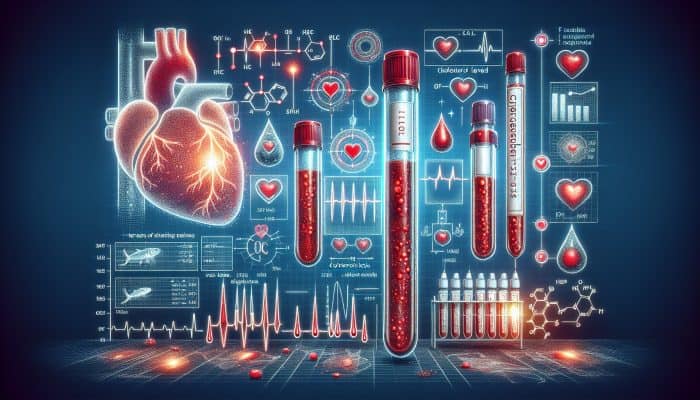
The Cholesterol Blood Test in Gloucester plays a crucial role in supporting heart health and preventing significant cardiovascular diseases. By engaging in regular cholesterol testing, individuals can keep track of their cholesterol levels over time, an essential practice for identifying trends that may indicate a higher risk of heart disease. Cholesterol, a waxy substance circulating in the bloodstream, can lead to the formation of arterial plaques, which may result in serious health issues such as heart attacks and strokes. By committing to consistent testing, individuals gain critical insights into their cardiovascular health, allowing them to take proactive steps to effectively mitigate their risks.
Moreover, understanding your cholesterol levels enables you to make informed decisions about lifestyle changes, dietary improvements, and, if necessary, medication management. Regular testing fosters a collaborative relationship between patients and healthcare professionals, encouraging open dialogues about health goals and tailored interventions. The importance of ongoing cholesterol testing cannot be overstated; it serves as a pivotal milestone in the journey towards sustained health and wellness.
How Often Should You Monitor Your Cholesterol Levels?
The advised frequency for cholesterol testing varies significantly based on multiple factors such as age, existing health risks, and previous test outcomes. Generally, adults are encouraged to check their cholesterol levels at least once every four to six years. However, individuals with notable risk factors, including obesity, diabetes, high blood pressure, or a familial history of heart disease, may need more frequent assessments, typically on an annual or biennial basis.
For instance, individuals aged 40 and older or those with known risk factors should consult their healthcare providers to establish a personalised testing schedule that accurately reflects their health status. Regular follow-up tests can facilitate timely interventions, significantly lowering the chances of developing serious health conditions later in life.
What Are the Key Benefits of Early Detection of Cholesterol Issues?
Promptly identifying high cholesterol levels through regular testing can provide numerous vital advantages, including:
- Timely intervention for effective management of cholesterol levels.
- A substantial reduction in the risk of experiencing heart attacks and strokes.
- The chance to implement lifestyle changes before significant health complications arise.
- Improved engagement with healthcare professionals for ongoing health monitoring.
- Increased awareness of personal health status and related risk factors.
- Potential benefits in insurance for participating in preventive health measures.
- Empowerment to take charge of one’s health journey.
By recognizing elevated cholesterol levels early, individuals can collaborate with healthcare providers to devise a plan that may include lifestyle modifications, dietary changes, or medications aimed at achieving optimal heart health.
How to Effectively Prepare for Your Cholesterol Blood Test

What Steps Should You Follow to Prepare for Your Cholesterol Test?
Preparing for a cholesterol blood test is relatively simple, yet it is crucial to follow specific guidelines to ensure accurate results. Typically, healthcare providers recommend fasting for 9-12 hours before the test. This means abstaining from all food and beverages except for water, as consuming anything else can skew the results. Fasting is essential for establishing an accurate baseline of your cholesterol levels, particularly for tests that evaluate triglycerides, which can be significantly influenced by recent meals.
Additionally, it is advisable to stay well-hydrated during the fasting period, as this can help ease the blood draw process and reduce discomfort. Although fasting may seem challenging, the benefits of obtaining precise and reliable test results far outweigh the short-term inconvenience. If you have concerns about fasting, discussing alternative options with your healthcare provider may yield solutions that ensure both your comfort and the accuracy of the test results.
Which Medications Could Affect Your Cholesterol Test Outcomes?
Several medications can significantly impact cholesterol levels, making it essential to inform your healthcare provider about all medications and supplements you are currently taking. Common medications that may alter cholesterol results include beta-blockers, diuretics, and various types of steroids. For example, beta-blockers are commonly prescribed for managing high blood pressure but may lead to changes in lipid profiles.
Failing to disclose your medication usage can result in misinterpretation of test outcomes and may impact treatment strategies. Therefore, engaging in transparent discussions with your healthcare provider about your current medication regimen before undergoing the cholesterol test is crucial. This communication ensures that the results accurately reflect your health status and paves the way for appropriate management going forward.
Is There a Specific Diet Recommended Before Testing?

In general, no special dietary regimen is required before a cholesterol blood test beyond the fasting requirement, which is essential for obtaining accurate results. However, maintaining a healthy diet in the days leading up to the test can be beneficial, as it aids in managing cholesterol levels in the long term. A well-balanced diet rich in a variety of fruits, vegetables, whole grains, and healthy fats can lead to more favorable cholesterol readings.
While drastic dietary changes immediately before the test are unnecessary, establishing healthy eating habits over the long term is vital. This proactive approach can significantly lower the likelihood of high cholesterol and its associated complications, laying a solid foundation for your overall health journey.
Expert Insights on Cholesterol Blood Testing in Gloucester
What Recommendations Do Experts Provide Regarding Cholesterol Testing Frequency?
Healthcare professionals suggest that individuals with a family history of high cholesterol or existing heart conditions undergo cholesterol tests more frequently than the standard guidelines recommend. Dr. Emily Hughes, a prominent cardiologist in Gloucester, emphasizes the importance of proactive monitoring for those at risk. For example, someone with a family history of early heart disease may benefit from annual testing, as early intervention could be critical in effectively managing their health.
Moreover, healthcare providers typically endorse routine screenings for adults aged 40 and older; however, those with additional risk factors should not hesitate to consult their physician regarding more frequent testing. This tailored approach to cholesterol testing highlights the significance of personalised healthcare and empowers individuals to take proactive steps toward enhancing their cardiovascular health.
How Can You Accurately Interpret Your Cholesterol Test Results?
Accurate interpretation of cholesterol test results requires an understanding of several key components: total cholesterol, high-density lipoprotein (HDL), low-density lipoprotein (LDL), and triglycerides. Total cholesterol offers a snapshot of your cholesterol levels, while HDL and LDL indicate the quality of those levels. High HDL levels are desirable as they protect against heart disease, while elevated LDL levels correlate with increased risk. Triglycerides reflect the fat content in your blood and can reveal additional health risks.
To interpret your results effectively, follow these actionable steps: first, discuss your findings with a healthcare provider who can clarify what these figures signify in relation to your overall health; second, assess lifestyle factors that may be influencing your cholesterol levels; and third, develop a personalised action plan based on your results, which may include dietary changes or medication if necessary.
What Are the Current Recommendations for Cholesterol Testing?
Recent guidelines from health authorities advocate for initiating cholesterol screening at age 20, especially for individuals with family histories or other risk factors for heart disease. After the initial screening, the recommended frequency of testing can vary; generally, adults should have their cholesterol levels checked every four to six years. However, those with higher risk profiles may need more frequent evaluations. Customizing the screening schedule to align with individual health profiles ensures that everyone receives the necessary level of monitoring.
The evolving landscape of cholesterol management promotes a proactive rather than reactive strategy, where early identification and management can reduce long-term health risks. Engaging with healthcare providers about the timing and frequency of testing can help individuals stay ahead of potential cardiovascular challenges.
Where to Find Cholesterol Blood Testing Services in Gloucester
Local Clinics Providing Cholesterol Testing Services
In Gloucester, numerous clinics offer cholesterol testing services, usually requiring an appointment. These facilities are well-equipped to meet your testing needs, staffed by trained professionals who ensure a seamless experience. Some of the leading clinics providing cholesterol testing in Gloucester include:
- Gloucester Health Centre
- Western Community Hospital
- Eastgate Health Centre
- Hempsted Medical Centre
- Quedgeley Medical Centre
- Printon Surgery
- Landmark Health Centre
Each of these clinics provides comprehensive services, including consultations and follow-up care, to ensure you receive the best support for effectively managing your cholesterol levels.
Can You Get Cholesterol Testing at Your Local Pharmacy?
Yes, many pharmacies in Gloucester offer convenient cholesterol testing services, making it easier for residents to access these essential health checks. Testing at a pharmacy can often be more time-efficient compared to visiting a clinic, frequently allowing for walk-in appointments with minimal wait times. This improved accessibility encourages more individuals to take charge of their health by incorporating cholesterol testing into their regular healthcare routines.
Pharmacies equipped with health clinics typically employ trained staff to conduct tests and provide immediate feedback on your cholesterol levels. It is wise to call ahead to confirm availability and any specific requirements, such as fasting, to ensure you receive the most accurate results possible.
What Are the Costs Involved with Cholesterol Testing?
The cost of a cholesterol blood test can vary significantly depending on the provider and whether you are utilizing NHS services or private options. Many cholesterol tests are covered by the NHS, particularly for individuals deemed at risk or those with existing health conditions. In instances where private testing is preferred, costs may range from £30 to £100, depending on the clinic and the comprehensiveness of the test.
For those opting for NHS services, it is important to consult with your GP or local clinic to confirm eligibility for free testing and to understand any additional services that may be included. Comparing costs between local clinics and pharmacies can aid you in finding a suitable option that aligns with your budget while ensuring you receive quality healthcare.
How to Prepare for Your Cholesterol Test?
Before your cholesterol test, fasting for 9-12 hours may be necessary to achieve accurate results. It is advisable to consult your healthcare provider for specific instructions regarding fasting and to clarify any medications or supplements you should avoid prior to the test. Proper preparation is critical to ensure that the results accurately reflect your cholesterol levels.
Additionally, minimizing stress leading up to your appointment is recommended, as stress can also affect cholesterol readings. Arriving well-rested and mentally prepared can contribute to a more comfortable testing experience.
How to Effectively Understand Your Cholesterol Test Results
After your cholesterol test, you will receive results detailing your levels of HDL, LDL, and triglycerides. Understanding these numbers is vital for managing your heart health. Your doctor will explain the implications of these figures, assisting you in interpreting the results within the context of your overall health.
Typically, an ideal total cholesterol level is below 200 mg/dL, with LDL levels ideally below 100 mg/dL and HDL levels above 60 mg/dL. Once you understand your cholesterol profile, your doctor can discuss any necessary lifestyle changes or interventions to enhance your heart health.
Revealing the Advantages of Cholesterol Blood Testing
How Does Cholesterol Testing Contribute to Heart Disease Prevention?
Cholesterol tests play a critical role in identifying elevated levels of LDL cholesterol, a significant risk factor for heart disease. By detecting high LDL levels early, healthcare providers can recommend timely lifestyle modifications or medications that can significantly lower the risk of heart disease and its associated complications.
For instance, an individual with concerning LDL levels may be advised to adopt healthier dietary habits or increase physical activity, creating a direct pathway to improved cardiovascular health. The ability to intervene early is crucial for achieving long-term health benefits, as research indicates that effective cholesterol management can prevent severe conditions such as heart attacks and strokes.
Can Knowledge of Your Cholesterol Levels Encourage Healthier Lifestyle Choices?
Being informed about your cholesterol levels can serve as a powerful motivator for adopting healthier lifestyle choices. Upon receiving their cholesterol results, individuals often become more aware of the health implications associated with elevated cholesterol. This awareness can lead to positive changes, such as embracing a diet rich in fruits, vegetables, and whole grains while minimizing saturated fats and sugars.
Moreover, individuals may feel inspired to increase their physical activity levels, fostering a more active lifestyle that not only improves cholesterol levels but also enhances overall health and well-being. By connecting cholesterol awareness with actionable lifestyle improvements, individuals can take control of their health and reduce the risk of future cardiovascular complications.
Does Cholesterol Testing Promote Effective Medication Management?
Regular cholesterol testing is essential for managing medications prescribed for cholesterol control effectively. It enables healthcare providers to monitor the effectiveness of a medication and make necessary adjustments to ensure optimal cholesterol levels. For example, if a patient’s LDL levels remain high despite taking medication, the doctor may consider altering the dosage or switching to a different medication altogether.
This ongoing assessment helps minimize potential side effects and guarantees that patients receive the most effective treatment for their cholesterol management. Regular testing fosters a collaborative relationship between patients and healthcare providers, ensuring that individuals stay engaged in their health management strategies.
Can Cholesterol Testing Uncover Other Underlying Health Conditions?
Cholesterol tests can also reveal other underlying health issues, such as thyroid disorders or liver disease, which may not be easily detected through alternative methods. Elevated cholesterol levels could signal that something more serious is occurring within the body, prompting further investigation and timely medical intervention.
For example, a sudden rise in cholesterol levels may lead a healthcare provider to conduct additional tests, uncovering potential thyroid dysfunction that necessitates treatment. Early detection of such issues is vital for managing overall health and preventing complications from conditions that might otherwise remain unnoticed.
How Does Cholesterol Testing Support Long-Term Health Monitoring?
Regular cholesterol testing plays a significant role in long-term health monitoring by establishing a baseline for an individual’s cholesterol levels and tracking changes over time. This longitudinal approach allows both patients and healthcare providers to observe trends that may indicate either a decline or improvement in health, guiding decisions on lifestyle modifications or medical interventions as necessary.
By maintaining a comprehensive record of cholesterol levels, individuals can engage in more informed conversations with their healthcare providers about their cardiovascular health, empowering them to make decisions that support their long-term well-being. This ongoing monitoring is essential not just for managing current health but also for preventing future health complications.
Decoding Your Cholesterol Results
What Do Your Cholesterol Levels Reveal?
Cholesterol levels are categorized into three main classifications: desirable, borderline high, and high. Each category reflects a different level of risk for heart disease. A total cholesterol level below 200 mg/dL is generally deemed desirable, while levels between 200-239 mg/dL are classified as borderline high, and levels exceeding 240 mg/dL are considered high.
Elevated LDL cholesterol levels, typically above 130 mg/dL, are associated with increased heart disease risk, whereas HDL cholesterol levels above 60 mg/dL are regarded as protective. Understanding these classifications empowers individuals to take actionable steps toward improving their heart health, whether through lifestyle changes, dietary adjustments, or medical interventions.
How Do HDL and LDL Cholesterol Differ from Each Other?
HDL and LDL represent two types of cholesterol that serve distinct roles within the body. HDL, often referred to as “good” cholesterol, aids in transporting cholesterol away from the arteries and back to the liver, where it is processed and eliminated. Higher levels of HDL correlate with a reduced risk of heart disease.
Conversely, LDL, known as “bad” cholesterol, can contribute to plaque buildup in the arteries, increasing the likelihood of cardiovascular issues. Maintaining a healthy balance between HDL and LDL cholesterol levels is crucial, as this balance can significantly influence heart health. Lifestyle changes aimed at enhancing HDL and reducing LDL can lead to improved cardiovascular outcomes.
What Actions Should You Take If Your Cholesterol Levels Are Elevated?
If your cholesterol levels are high, it is crucial to consult with a healthcare provider to discuss potential lifestyle adjustments or medication options. Immediate steps you can take include:
- Schedule an appointment with your doctor to review your results.
- Discuss dietary modifications to lower LDL and enhance HDL.
- Consider integrating regular exercise into your daily routine.
- Evaluate any current medications that may influence your cholesterol levels.
Being proactive in managing high cholesterol can effectively mitigate the associated health risks, enabling you to take charge of your cardiovascular health.
How Frequently Should You Monitor Your Cholesterol Levels?
Adults are generally encouraged to assess their cholesterol levels every four to six years; however, individuals with risk factors or pre-existing heart conditions may require more frequent evaluations. Regular monitoring is essential for effectively managing your cholesterol, as it allows for timely interventions and necessary adjustments to treatment plans.
Keeping track of your cholesterol levels enables you and your healthcare provider to gain a clearer understanding of your cardiovascular health, facilitating informed discussions about lifestyle changes and potential medications. Regular check-ups should be viewed as a critical component of long-term health management strategies.
Can Dietary and Exercise Habits Affect Your Cholesterol Results?
Absolutely, both your dietary choices and exercise habits significantly impact your cholesterol levels. A diet low in saturated fats and high in fibre can help reduce LDL cholesterol, while increased physical activity can elevate HDL cholesterol. Engaging in regular exercise, such as walking, running, or cycling, not only promotes a better cholesterol balance but also enhances overall heart health.
Adopting healthy eating habits, including a diverse selection of fruits, vegetables, whole grains, and lean proteins, can greatly affect cholesterol management. By implementing these lifestyle modifications, individuals can improve their cholesterol profiles and decrease their risk of heart disease.
Making Significant Lifestyle Changes to Manage Cholesterol Levels
What Dietary Changes Can Help in Cholesterol Management?
Implementing specific dietary alterations can greatly aid in managing cholesterol levels. A diet low in saturated and trans fats, while being rich in fibre, can effectively lower LDL cholesterol and promote heart health. Emphasizing whole foods, such as fruits, vegetables, whole grains, legumes, and lean proteins, can create a balanced diet that supports cardiovascular wellness.
Additionally, incorporating healthy fats, such as those found in avocados, nuts, seeds, and olive oil, can help raise HDL cholesterol levels. Reducing the intake of processed foods, sugary snacks, and red meats will further enhance the effectiveness of dietary changes in managing cholesterol. These adjustments can establish a solid foundation for long-term improvements in heart health.
How Does Consistent Exercise Affect Cholesterol Levels?
Regular physical activity has a direct and beneficial influence on cholesterol levels. Exercise stimulates the production of HDL cholesterol, which helps eliminate LDL cholesterol from the bloodstream, thereby improving heart health. Engaging in at least 150 minutes of moderate aerobic activity, such as brisk walking, cycling, or swimming, each week can lead to significant enhancements in cholesterol levels.
Furthermore, strength training exercises can complement aerobic activities by building lean muscle mass, further boosting metabolism and overall health. Incorporating both cardio and strength training into your fitness routine can be a highly effective strategy for managing cholesterol and promoting cardiovascular wellness.
Are There Natural Supplements That Can Assist in Cholesterol Management?
Certain natural supplements, such as fish oil and plant sterols, can effectively support cholesterol management. Fish oil, rich in omega-3 fatty acids, has been shown to lower triglycerides and improve overall lipid profiles. Plant sterols, found in select fortified foods and supplements, work by blocking cholesterol absorption in the digestive tract.
However, it is essential to consult with a healthcare provider before starting any new supplement regimen. They can provide guidance on the appropriate use of supplements and how they may fit into your overall cholesterol management plan, ensuring a safe and effective approach.
Can Quitting Smoking Improve Cholesterol Levels?
Quitting smoking can have a remarkable positive impact on cholesterol levels and overall cardiovascular health. Smokers often exhibit lower HDL cholesterol levels, which increases the risk of heart disease. By quitting, individuals can boost their HDL levels, thereby enhancing their heart health.
In addition to improving cholesterol levels, quitting smoking offers numerous other health benefits, including better lung function and a reduced risk of various cancers and chronic diseases. Support from healthcare providers, counseling, and support groups can be invaluable for individuals seeking to quit smoking and improve their health outcomes.
Frequently Asked Questions (FAQs)
What is a cholesterol blood test?
A cholesterol blood test measures the levels of various types of cholesterol and triglycerides in your blood, assessing your risk for heart disease.
How long does a cholesterol test take?
The test itself is brief, often lasting just a few minutes; however, the preparation time, including fasting, may require several hours.
Do I need a referral to get a cholesterol test?
Typically, no referral is needed to undergo a cholesterol test, but it is advisable to consult your GP for personalized guidance.
What should I do if my cholesterol is high?
If your cholesterol is elevated, consult a healthcare provider for tailored advice on lifestyle modifications or medications to effectively manage your levels.
Can I eat before a cholesterol test?
No, you should fast for 9-12 hours before the test, consuming only water to ensure accurate results.
What are the signs of high cholesterol?
High cholesterol typically presents no symptoms, underscoring the importance of regular testing for early detection and management.
How can I lower my cholesterol naturally?
You can lower cholesterol naturally by adopting a healthy diet, exercising regularly, maintaining a healthy weight, and quitting smoking.
Does the NHS cover cholesterol tests?
Yes, cholesterol tests are often covered by the NHS for eligible individuals, particularly those at risk of heart disease.
What are the ideal cholesterol levels?
Desirable total cholesterol levels are below 200 mg/dL, with LDL levels ideally below 100 mg/dL and HDL levels above 60 mg/dL.
Is cholesterol hereditary?
Yes, genetics can significantly influence your cholesterol levels. A family history can heighten the risk of high cholesterol and heart disease.
Connect with us on Facebook!
This Article Was First Found On https://bloodtest.co.uk
The Article Cholesterol Blood Test Guide: What You Need to Know in Gloucester Was Found On https://limitsofstrategy.com
The Article Cholesterol Blood Test: Essential Information for Gloucester Residents First Appeared ON
: https://ad4sc.com