Comprehensive Analysis of Risks Linked to Nuclear Incidents and Their Outcomes
Diving into the Various Types of Nuclear Incidents

Preparing for Nuclear Events demands a thorough understanding of the various sources of nuclear incidents, which can stem from accidents, intentional attacks, or natural disasters impacting nuclear facilities. Each type of incident presents unique challenges that require specialized preparedness strategies tailored to the situation. Accidental incidents, like reactor meltdowns or radioactive leaks, usually result from human errors or technological failures. A significant case is the disastrous Fukushima event in Japan, where a powerful tsunami incapacitated the cooling systems of reactors, resulting in catastrophic failures. On the other hand, intentional attacks, especially involving nuclear materials, pose serious international concerns, particularly in politically unstable regions. Furthermore, natural disasters can critically affect nuclear power plants, emphasizing the need for resilient infrastructure that can withstand seismic activities or flooding. The Chernobyl disaster serves as a stark reminder of how inadequate design and governance can exacerbate crises.
Understanding these distinctions is vital in crafting effective preparedness strategies. Each incident type necessitates a customized response approach, underscoring the importance of a comprehensive preparedness plan aimed at saving lives and reducing risks. It is essential to ensure that communities are well-informed and equipped to handle various nuclear scenarios, ultimately improving overall safety and resilience in the face of potential disasters.
Evaluating the Probability and Consequences of Nuclear Events
Assessing the likelihood and potential consequences of nuclear events is crucial for efficient planning and resource allocation. This evaluation involves an in-depth analysis of historical data alongside current trends to identify vulnerable areas and probable scenarios. For example, regions with aging nuclear facilities, such as certain areas in Eastern Europe, face increased risks due to outdated technology and infrastructure. By utilizing predictive modeling, authorities can simulate possible incidents and their repercussions, which assists in developing effective response strategies tailored to specific risks.
Moreover, understanding the possible consequences, including radiation exposure and community displacement, is critical for prioritizing resources and training initiatives. By thoroughly assessing these probabilities, stakeholders can formulate customized response plans that significantly strengthen community resilience against potential nuclear incidents. This proactive approach not only enhances safety but also builds confidence among residents regarding their preparedness for such emergencies, fostering a sense of security within the community.
What Are the Key Factors That Increase Risks Linked to Nuclear Events?
Several factors contribute to the rising risks associated with nuclear events. A major concern is the ageing infrastructure, particularly in facilities built decades ago that may not comply with modern safety standards. Political instability in a region can further amplify these risks, especially when nuclear materials are involved. In countries with fragile governance, the risk of theft or misuse of nuclear resources significantly increases. Additionally, technological failures, such as software glitches or equipment malfunctions, can lead to disastrous incidents if not promptly and properly addressed.
Recognizing these risk factors is essential for creating effective mitigation strategies. Regular inspections, technology upgrades, and the establishment of comprehensive regulatory frameworks are necessary measures that can be adopted globally to reduce vulnerabilities within nuclear facilities, thereby enhancing overall safety and preparedness. By taking a proactive stance, communities can significantly lower their exposure to nuclear risks, fostering a safer environment for all residents.
Implementing Robust Strategies to Reduce Risks of Nuclear Events

Implementing effective strategies to mitigate risks associated with nuclear events is essential for the protection of communities. Key strategies involve adhering to rigorous safety protocols, which include regular inspections and maintenance of nuclear facilities to address emerging issues promptly. International cooperation is equally crucial in enhancing nuclear safety; the sharing of best practices and technological advancements can substantially improve preparedness and response capabilities. Countries can collaborate on emergency response drills, ensuring that all stakeholders are well-prepared for potential nuclear incidents.
Moreover, fostering a culture of safety within organizations managing nuclear facilities promotes vigilance and accountability. Training personnel to efficiently identify and respond to potential threats can dramatically reduce the likelihood of incidents occurring. By adopting a multifaceted approach that integrates stringent safety measures, international collaboration, and a robust safety culture, the risks associated with nuclear events can be significantly lessened, ensuring the safety of communities around the globe.
Expert Perspectives on Nuclear Event Preparedness
Showcasing Real-World Examples of Successful Preparedness Initiatives
Real-world examples of effective nuclear event preparedness highlight the critical importance of readiness and demonstrate successful strategies for risk mitigation. A notable instance is the U.S. Nuclear Regulatory Commission, which routinely conducts drills alongside local emergency services to ensure readiness for potential nuclear accidents. These comprehensive exercises simulate various scenarios, allowing participants to practice their response protocols and refine their actions based on valuable lessons learned from these experiences.
Another significant example is the International Atomic Energy Agency (IAEA), which supports countries in developing robust emergency response frameworks. This includes training programs that emphasize the significance of community involvement in preparedness efforts. Such proactive measures serve as essential case studies, illustrating the necessity of preparedness in mitigating the impacts of nuclear incidents on affected populations, ultimately fostering a culture of safety and readiness.
Outlining Immediate Response Actions Following Nuclear Events
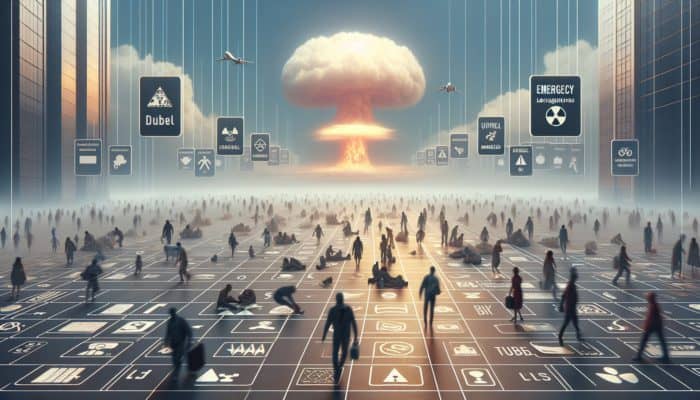
In the immediate aftermath of a nuclear event, prompt and decisive actions are essential for minimizing harm and ensuring safety. Individuals and communities should prioritize evacuation to a safe distance from the affected area. Familiarity with local evacuation routes and having a pre-established plan can significantly mitigate confusion and facilitate a swift response. Furthermore, communities must designate specific shelter-in-place zones where residents can find refuge if immediate evacuation is not a viable option.
Implementing a comprehensive communication strategy is crucial to guarantee that accurate and timely information is disseminated throughout the community. This could involve establishing emergency alert systems and utilizing local media to provide regular updates on the evolving situation. Lastly, individuals should have access to emergency kits containing essential supplies, which should be routinely checked and updated to ensure preparedness. These immediate response measures are vital for safeguarding lives and enhancing community resilience during nuclear emergencies.
How Can Experts Improve Preparedness Plans for Nuclear Events?
Experts play a critical role in enhancing the effectiveness and reliability of preparedness plans for nuclear events. Their involvement is essential in formulating comprehensive strategies that address potential risks while establishing clear response protocols. By conducting training sessions, experts empower communities with the essential knowledge and skills required to react efficiently during a nuclear incident. For example, workshops focusing on radiation safety and emergency response can instill confidence in individuals facing nuclear threats.
Additionally, experts can provide ongoing support and updates to ensure that preparedness plans remain relevant and effective in light of emerging technologies and evolving risks. Their insights help refine existing plans based on lessons learned from previous incidents, ensuring continuous improvement in community preparedness. Collaborating with experts fosters a proactive approach to nuclear event readiness, thereby enhancing overall safety and resilience within the community.
Creating a Comprehensive Nuclear Event Preparedness Plan
Key Elements of an Effective Nuclear Preparedness Plan
A successful preparedness plan for nuclear events must encompass several critical components to ensure a structured and efficient response. Emergency contacts, including local authorities and emergency services, should be easily accessible for quick communication during crises. Clearly defined evacuation routes are also crucial, enabling residents to navigate to safety without hesitation during emergencies. Including a supply list within the plan ensures that individuals and families are adequately equipped with essential items, such as food, water, and medical supplies.
Regular reviews and drills of the preparedness plan are vital for maintaining familiarity and efficiency during an actual event. Each element of the plan should be customized to the specific needs and resources of the community, taking into account factors such as population density and local infrastructure. By addressing these critical components, communities can significantly enhance their preparedness for nuclear incidents, ultimately saving lives and alleviating panic during emergencies.
How Can Communities Collaborate for Effective Preparedness Plans?
Collaboration among community members is essential for developing effective nuclear event preparedness plans. Organizing regular meetings allows stakeholders to share insights, resources, and experiences, fostering a sense of collective responsibility. Such gatherings can bring together representatives from local government, emergency services, educational institutions, and neighborhood organizations, ensuring that diverse perspectives are integrated into the planning process.
Conducting joint drills enhances collaboration by enabling various stakeholders to practice their roles in a coordinated manner. These drills can simulate nuclear incidents, providing valuable hands-on experience that highlights areas for improvement. Moreover, communities can also share resources, such as emergency supplies and training materials, to ensure that all members are adequately equipped to respond to emergencies. This collaborative approach not only strengthens community bonds but also amplifies overall preparedness for potential nuclear events, creating a unified front in the face of adversity.
What Are the Advantages of Regular Updates to Preparedness Plans?
Regular updates to nuclear event preparedness plans are essential for maintaining their relevance and effectiveness. As technology evolves and risks change, these plans must be adjusted to incorporate new methodologies and insights. For instance, advancements in radiation detection technology can enhance monitoring capabilities, necessitating updates to response protocols to ensure they remain effective.
Additionally, lessons learned from past nuclear incidents should inform revisions to the plan. By analyzing the effectiveness of responses in previous events, communities can identify weaknesses and implement corrective measures. Regular updates also foster a culture of preparedness, encouraging individuals and organizations to remain engaged and informed about nuclear risks. Through consistent reviews and revisions, preparedness plans can be continually refined, ensuring that they remain robust and reliable in the face of evolving challenges.
Training and Education for Nuclear Event Preparedness
Vital Training Programs for Effective Response During Nuclear Events
Implementing vital training programs is crucial for equipping individuals with the skills necessary to respond effectively during nuclear events. Training should cover first aid, focusing on triaging potential radiation exposure and treating injuries that may occur during an incident. Additionally, radiation safety training is essential, empowering participants to understand the risks associated with nuclear exposure and the protective measures they can adopt to mitigate harm.
Emergency response protocols must also be a core element of training programs. Participants should engage in simulations and drills that replicate potential nuclear scenarios, allowing them to practice their responses in a controlled environment. Such training initiatives enhance individual confidence and preparedness, ultimately leading to more effective community responses during actual nuclear incidents. By investing in comprehensive training, communities can strengthen their overall resilience against nuclear threats.
Disseminating Accessible Educational Resources for Public Awareness
Providing educational resources to the public is fundamental to fostering widespread awareness and preparedness for nuclear events. Resources such as brochures, online courses, and community workshops can effectively disseminate critical information regarding nuclear risks and preparedness measures. These educational initiatives should cover topics such as emergency kits, evacuation plans, and communication strategies, empowering individuals to take proactive steps to protect themselves and their families.
Furthermore, leveraging social media platforms can enhance outreach efforts by allowing organizations to share timely updates and educational content. Engaging the community through interactive programs and discussions can further reinforce the importance of preparedness. By prioritizing public education, communities can cultivate a culture of readiness that ensures individuals are well-informed and capable of responding effectively in the event of a nuclear emergency.
How Can Schools and Workplaces Implement Effective Training for Nuclear Preparedness?
Schools and workplaces play a pivotal role in implementing training programs that enhance nuclear event preparedness. In educational settings, integrating preparedness training into existing safety protocols ensures that students and staff are familiar with response strategies. Regular drills can help students practice evacuation routes and become acquainted with emergency procedures, reinforcing their readiness during actual incidents.
Workplaces should similarly develop training programs that prioritize employee safety in the event of a nuclear event. Providing educational materials, conducting workshops, and hosting guest speakers can enhance overall awareness and preparedness. Collaborating with local emergency services for training sessions can further strengthen workplace readiness. By embedding preparedness training into institutional frameworks, schools and workplaces can significantly contribute to community resilience against nuclear risks, ensuring that everyone is prepared to respond effectively.
Critical Emergency Supplies and Equipment for Nuclear Events
Which Supplies Are Essential for Nuclear Event Preparedness?
Having a well-stocked emergency kit is crucial during nuclear events, as it significantly impacts survival rates. Essential supplies should include:
- Water: At least one gallon per person per day for a minimum of three days, providing hydration and sustenance.
- Non-perishable food: A three-day supply of items that do not require cooking or refrigeration, ensuring nourishment during emergencies.
- Radiation detectors: Devices such as Geiger counters to monitor radiation levels and ensure safety.
- Protective gear: Items like masks and radiation suits to minimize exposure to harmful substances.
- First aid kit: Basic medical supplies for treating injuries and health concerns.
- Flashlights and batteries: To ensure visibility during power outages and emergencies.
- Whistle: For signaling for help if trapped or in need of assistance.
- Local maps: To navigate to safety in the event of evacuation, guiding individuals away from danger.
Ensuring these supplies are readily available can significantly enhance individual and community preparedness, guaranteeing that essential needs are met during a crisis.
Ensuring Proper Maintenance and Storage of Emergency Equipment
Proper maintenance and storage of emergency equipment are vital to ensuring its functionality during a nuclear crisis. Equipment such as radiation suits and Geiger counters should be regularly inspected for signs of wear and tear, ensuring they remain effective when needed. Establishing a routine maintenance schedule can help identify any issues before they escalate into critical problems, thus preserving the integrity of essential supplies.
Moreover, storage conditions play a significant role in equipment readiness. Items should be kept in a cool, dry place, away from direct sunlight, to prevent deterioration and extend their lifespan. Clearly labeling storage containers and maintaining an inventory of supplies can streamline access during emergencies, ensuring that community members can quickly locate the necessary equipment. By prioritizing maintenance and proper storage, individuals and communities can enhance their preparedness for nuclear events, ultimately saving lives.
How Can Individuals Assemble Their Own Emergency Kits for Nuclear Events?
Individuals can take proactive steps to prepare their own emergency kits by assembling necessary supplies tailored to their specific needs. Begin by including essential items such as food, water, and medical supplies, ensuring to account for the number of individuals in the household. Regularly checking expiration dates and replacing items as needed is crucial to maintaining the kit’s effectiveness and readiness for any potential emergency.
Storing kits in easily accessible locations ensures that they can be quickly retrieved during emergencies. Consider designating a specific area within the home for the emergency kit, where all family members are aware of its location. Additionally, encouraging family discussions about the contents of the kit and the importance of preparedness can foster a collective sense of readiness. Personal emergency kits are indispensable for individual preparedness, empowering families to respond effectively during nuclear incidents and ensuring safety.
Effective Communication Strategies During Nuclear Events
Establishing Trustworthy Communication Channels
Establishing reliable communication channels is crucial for disseminating information during nuclear events. Implementing emergency alert systems can ensure that critical updates are sent directly to residents, providing timely information about evacuation orders or safety protocols. Additionally, utilizing radio broadcasts can reach a broader audience, especially in areas with limited internet access, ensuring that all community members are informed.
Communities should prioritize the development of robust communication networks that involve local authorities, emergency services, and community organizations. This collaboration ensures that accurate information is shared promptly, thereby reducing the likelihood of misinformation during crises. By establishing dependable communication channels, communities can enhance their overall response efforts to nuclear events, ensuring that everyone is kept informed during emergencies.
What Are the Best Practices for Successful Communication During Nuclear Events?
Effective communication during nuclear events relies on several best practices. Clear and concise messaging is paramount, ensuring that vital information is easily understood by all community members. Regular updates should be disseminated to keep the public informed about the evolving situation, particularly as new developments arise.
Utilizing multiple communication methods can broaden the reach of messages. For instance, combining text alerts, social media updates, and traditional media can help ensure that information reaches a diverse audience. Establishing a community information center can also serve as a hub for inquiries and updates during a nuclear event, assisting in coordinating responses and alleviating public concerns. By implementing these best practices, communities can enhance their communication efforts during nuclear incidents, ensuring everyone remains informed and safe.
How Can Social Media Be Effectively Utilized During Emergencies?
Social media can serve as a powerful tool for enhancing communication during nuclear events. Utilizing platforms like Twitter and Facebook enables authorities to provide real-time updates, allowing for the swift and efficient dissemination of critical information. Engaging with the community through social media can also facilitate two-way communication, enabling residents to ask questions and receive immediate responses from officials or experts.
Proper usage of social media includes maintaining a consistent tone and ensuring that shared information is accurate and verified before dissemination. Establishing a designated team to manage social media communications can streamline efforts and prevent the spread of misinformation, which can exacerbate panic during emergencies. By leveraging the capabilities of social media, communities can enhance their communication strategies and coordinate responses effectively during nuclear emergencies, ultimately improving public safety.
Proven Strategies for Preparing for Nuclear Events
Providing Expert Evaluation on Evacuation Plans
Expert evaluation of evacuation plans is crucial for ensuring their robustness and effectiveness during nuclear events. Evacuation plans should clearly define routes that account for the fastest and safest paths away from affected areas while considering potential obstacles. Experts can provide insights on optimal timing for evacuations, as traffic congestion can significantly hinder response efforts and delay safety.
Collaboration with emergency services is equally vital, as authorities can provide real-time information about hazards and road conditions that might influence evacuation routes. Regularly reviewing and updating evacuation plans based on expert recommendations ensures that communities stay prepared and responsive to potential nuclear incidents. By incorporating expert input, communities can enhance their evacuation strategies, ultimately safeguarding lives during emergencies and ensuring a more effective response.
Implementing Effective Shelter-in-Place Protocols
Implementing shelter-in-place protocols is critical for immediate safety during nuclear events. These protocols involve remaining indoors, sealing rooms, and employing protective measures to minimize radiation exposure. Communities should establish clear guidelines on how to effectively shelter in place, including identifying safe zones within buildings and ensuring access to necessary supplies to sustain residents during the crisis.
Residents should be educated on the importance of sealing windows and doors to prevent contaminated air from entering their homes. Utilizing air filtration systems or improvised methods, such as damp towels, can further enhance protection against radioactive particles. By implementing and practicing shelter-in-place protocols, communities can significantly reduce exposure risks during nuclear incidents, thereby improving overall safety and preparedness for residents.
What Are the Most Effective Decontamination Techniques After Nuclear Events?
Effective decontamination methods are essential for ensuring safety following nuclear events. The primary techniques include using soap and water to wash off radioactive particles from exposed skin and clothing, a straightforward yet highly effective approach that can significantly decrease contamination levels. Community training on these methods is essential to ensure everyone understands how to protect themselves effectively.
Specialized cleaning agents may also be utilized for surfaces and equipment to guarantee thorough decontamination. Following expert guidelines is crucial, as they can provide specific recommendations tailored to the incident and contamination levels. Community training on decontamination procedures can further enhance individual preparedness, ensuring residents are equipped to handle potential contamination effectively. By implementing these methods, communities can improve safety during and after nuclear events, promoting recovery and resilience.
Educating the Public on Nuclear Event Preparedness
Educating the public about nuclear event preparedness involves disseminating comprehensive information regarding safety measures, emergency kits, and communication strategies. Community workshops and informational sessions can serve as platforms for sharing knowledge and addressing public concerns about nuclear risks, fostering a well-informed populace.
Utilizing various channels, including social media, local newsletters, and community bulletins, can enhance outreach efforts and ensure that critical information reaches all demographics. Providing accessible materials that outline preparedness steps and resources can empower individuals to take proactive measures to safeguard themselves and their families. Engaging the public in discussions about nuclear safety cultivates a culture of resilience and readiness, ultimately enhancing overall community preparedness for nuclear incidents.
Psychological Preparedness for Nuclear Events
Effective Strategies for Stress and Anxiety Management
Strategies for managing stress and anxiety during nuclear events are essential for maintaining community resilience. Techniques such as mindfulness and deep breathing exercises can help individuals stay grounded in high-stress situations, promoting mental well-being and clarity. Furthermore, establishing support groups allows individuals to share experiences and coping strategies, fostering a sense of community and collective support during challenging times.
Professional counseling may also provide substantial benefits, offering individuals access to trained therapists who can supply tools to navigate their emotional responses during crises. Communities can organize workshops focused on mental health awareness, helping residents recognize and address their psychological needs during nuclear events. By emphasizing mental health preparedness, individuals can improve their ability to cope with the psychological impacts of nuclear incidents, ultimately fostering a more resilient community.
How Can Communities Actively Support Mental Health During Nuclear Events?
Communities can play a vital role in supporting mental health during nuclear events by providing essential resources and establishing support networks. Organizing community events aimed at promoting mental health awareness can encourage open discussions about stress and anxiety related to nuclear risks, normalizing these conversations.
Offering access to trained mental health professionals for counseling services can further strengthen community support systems. Establishing crisis hotlines can also provide immediate assistance for individuals in distress, ensuring they have a reliable avenue for help during emergencies. By actively promoting mental health resources, communities can enhance psychological resilience and assist individuals in navigating the challenges associated with nuclear events, fostering an environment of care and support.
What Role Does Education Play in Enhancing Psychological Preparedness?
Education is critical in psychological preparedness for nuclear events as it informs individuals about the risks, available preparedness measures, and effective coping strategies. Providing educational materials focused on mental health can empower individuals to understand their emotions and responses during crises, enabling them to approach challenges with greater confidence.
Workshops and seminars can facilitate discussions about the psychological aspects of nuclear preparedness, equipping community members with tools to manage anxiety. Promoting educational initiatives in schools and workplaces can raise awareness about mental health issues and encourage proactive approaches to psychological preparedness. By fostering a culture of education concerning mental health, communities can enhance overall resilience and preparedness during nuclear incidents, ensuring that individuals are equipped to handle the stresses associated with such events.
How Can Families Prepare Psychologically for Nuclear Events?
Families can prepare psychologically for nuclear events by engaging in open discussions regarding nuclear risks and collaboratively establishing emergency plans. Creating a comprehensive family plan that outlines actions to take during a nuclear incident can instill confidence in each family member’s ability to respond effectively and efficiently, ensuring everyone understands their role.
Practicing coping strategies together, such as mindfulness techniques or deep breathing exercises, can strengthen collective resilience and promote emotional well-being within the family unit. Encouraging family members to express their feelings and concerns about nuclear risks creates a supportive environment where everyone can address their emotional needs. By prioritizing psychological preparedness within the family unit, individuals can enhance their overall readiness for potential nuclear events, fostering a sense of security and togetherness.
The Significance of Mental Health First Aid Training During Nuclear Crises
Mental health first aid training is vital for equipping individuals to provide initial support to those experiencing psychological distress during nuclear crises. This training educates participants to recognize signs of mental health struggles and respond appropriately, offering reassurance and guidance to affected individuals, thereby creating a supportive community atmosphere.
By establishing community members as mental health first responders, communities can harness their collective strengths to effectively support those in need. Providing resources and training on mental health first aid can enhance overall community resilience, ensuring that individuals have access to timely assistance during nuclear events. By prioritizing mental health support, communities can mitigate psychological distress and promote healing after crises, ultimately fostering a healthier society.
Long-Term Recovery and Rehabilitation After Nuclear Events
Strategies for Sustainable Long-Term Recovery Following Nuclear Incidents
Long-term recovery strategies after nuclear events are essential for rebuilding communities and restoring a sense of normalcy. These strategies may include reconstructing infrastructure, reinstating essential services, and offering ongoing support to affected populations to help them regain stability. Establishing clear timelines and objectives for recovery can help communities maintain focus on achieving these goals.
Furthermore, engaging community members in the recovery process fosters a sense of ownership and empowerment, ensuring that the voices of affected individuals are recognized. Collaborative efforts involving local leaders, government agencies, and non-profit organizations can enhance the effectiveness of recovery initiatives, ensuring that resources are allocated where they are most needed. By prioritizing long-term recovery strategies, communities can rebuild resilience and ensure adequate support for those affected by nuclear events, promoting healing and revitalization.
What Are the Major Challenges Encountered in Rehabilitation Efforts?
Key challenges in rehabilitation after nuclear events include managing radiation contamination, addressing health concerns, and rebuilding community trust. Contaminated land and infrastructure present significant obstacles, necessitating specialized cleanup efforts and ongoing monitoring to ensure safety for all residents.
Health issues may arise due to possible radiation exposure, requiring comprehensive medical assessments and support for affected individuals to address their needs. Rebuilding community trust is likewise critical, as previous incidents may lead to skepticism regarding safety measures and governmental responses. Tackling these challenges through transparency, community engagement, and ongoing support is vital for successful rehabilitation after nuclear events, ensuring that affected populations feel safe and secure.
How Can Communities Enhance Resilience for Future Nuclear Events?
Building resilience for future nuclear events involves learning from past experiences and implementing improved preparedness measures. Communities should prioritize the development of robust emergency response plans that reflect lessons learned from previous incidents, ensuring that strategies remain effective and comprehensive.
Fostering a culture of readiness through continuous training, education, and community engagement ensures that residents remain informed about risks and preparedness strategies. By investing in infrastructure improvements and conducting regular drills, communities can bolster their overall resilience to nuclear events. Through collective efforts and a steadfast commitment to preparedness, communities can secure better outcomes during future nuclear incidents, ultimately safeguarding the well-being of their residents.
Addressing Common Questions Regarding Nuclear Event Preparedness
What are the main categories of nuclear incidents?
Nuclear incidents can be classified as accidental, intentional (e.g., terrorism), or natural disasters impacting nuclear facilities. Each type necessitates distinct preparedness strategies tailored to the specific incident.
How can I assess the likelihood of a nuclear event occurring?
Evaluating the likelihood involves analyzing historical data, current trends, and factors such as aging infrastructure and political stability to identify potential risks and vulnerabilities within communities.
What factors heighten the risks associated with nuclear events?
Factors such as aging infrastructure, political instability, and technological failures can increase the risks related to nuclear events, necessitating proactive measures to mitigate these threats.
What strategies can effectively reduce nuclear risks?
Implementing safety protocols, conducting regular maintenance, and fostering international cooperation are effective strategies for decreasing nuclear risks and enhancing overall safety.
Can you share examples of successful preparedness initiatives?
Examples of successful preparedness include regular drills conducted by the U.S. Nuclear Regulatory Commission and support from the IAEA to enhance community readiness through training and resources.
What immediate actions should I undertake following a nuclear event?
Immediate actions encompass evacuating to a safe location, sheltering in place if necessary, and accessing reliable information through emergency communication channels to ensure safety.
How do experts contribute to the development of preparedness plans?
Experts contribute by formulating comprehensive plans, conducting training sessions, and providing ongoing support to enhance community readiness and resilience before and after nuclear events.
What key components should be included in a preparedness plan?
Key components encompass emergency contacts, evacuation routes, and supply lists to ensure a structured and efficient response to nuclear events, safeguarding lives.
How can schools implement training for nuclear preparedness?
Schools can integrate preparedness training into existing safety protocols, conduct regular drills, and provide educational materials to students and staff to enhance overall preparedness.
Why is mental health support crucial during nuclear events?
Mental health support is essential for managing stress and anxiety, aiding individuals in coping with the psychological impacts of nuclear events, and fostering community resilience.
Discover more with us on X!
The post Preparing for Nuclear Events: Essential Strategies appeared first on Survival Bite.
The Article Nuclear Events: Key Strategies for Effective Preparation Was Found On https://limitsofstrategy.com
The Article Key Strategies for Effective Preparation in Nuclear Events First Appeared ON
: https://ad4sc.com