Your Ultimate Resource for Professional Heat Pump Solutions in Surrey
What Are Heat Pumps and How Do They Operate Effectively?
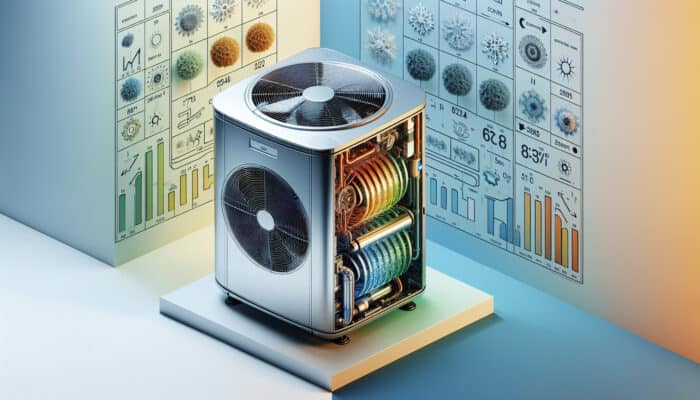
In the realm of Heat Pump Services in Surrey, heat pumps are advanced devices specifically designed to facilitate the efficient transfer of thermal energy between different environments. These innovative systems offer exceptional heating and cooling solutions tailored for a wide variety of locations. Unlike traditional HVAC systems that generate heat or cool air, heat pumps exploit the principle of heat transfer. This operational method not only makes them highly energy-efficient but also aligns with sustainable practices. Utilizing a refrigeration cycle akin to that of air conditioners and refrigerators, heat pumps can invert their function. This flexibility enables them to provide heating during colder months and cooling in warmer seasons, ensuring a consistently comfortable indoor climate year-round.
In regions like Surrey, Canada, known for considerable seasonal temperature variations, heat pumps emerge as an extremely attractive option. These systems can extract heat from the air or ground, even when outdoor temperatures drop below freezing, making them a prime choice for homeowners aiming to reduce heating costs while preserving a warm and welcoming indoor atmosphere. Furthermore, by harnessing renewable energy from the environment, heat pumps play a vital role in sustainability efforts, perfectly aligning with Canada’s ambitions to lower carbon emissions.
Understanding the Varieties of Heat Pumps Available
The marketplace offers a wide array of heat pump types, each meticulously engineered to adapt to diverse environmental conditions and applications. The most common varieties include air-source heat pumps, ground-source heat pumps, and water-source heat pumps. Understanding the distinctions among these types is crucial for selecting a system that aligns with your specific needs.
Air-source heat pumps are the most commonly utilized variant, sourcing heat from the external air surrounding your home. These systems are typically easier to install and can demonstrate high efficiency, particularly in temperate climates. In Surrey, where winter temperatures can be adequately managed with modern air-source systems, this type is frequently chosen for residential use.
Ground-source heat pumps, also known as geothermal heat pumps, utilize the earth’s stable temperature for heating and cooling requirements. Though their installation can be more intricate due to the need for underground loops, these systems offer remarkable efficiency and durability. The initial investment for ground-source heat pumps often results in substantial energy savings over time, making them a prudent long-term investment for homeowners willing to spend more upfront.
Water-source heat pumps function similarly but derive heat from bodies of water, including lakes or wells. While they are less prevalent, these systems can achieve outstanding efficiency in suitable environments. Each type of heat pump provides unique advantages, and the selection process usually considers factors such as property type, financial aspects, and local climate conditions.
Discovering the Benefits of Heat Pumps for Your Residence
Heat pumps provide numerous advantages, contributing to their growing popularity among homeowners in Surrey and beyond. Some of the primary benefits of utilizing heat pumps encompass:
- Energy Efficiency: Heat pumps can achieve efficiencies of up to 400%, leading to significant energy savings compared to traditional heating methods.
- Environmental Impact: By harnessing renewable energy sources, heat pumps help reduce greenhouse gas emissions, aligning with Canada’s sustainability objectives.
- Versatility: Heat pumps deliver both heating and cooling capabilities, making them a year-round solution for climate control.
- Lower Operating Costs: Although the initial investment may be higher, heat pumps often lead to reduced energy bills over time due to their efficiency.
- Long Lifespan: With proper maintenance, heat pumps can last 15 years or longer, ensuring lasting comfort and reliability.
- Improved Indoor Air Quality: Heat pumps filter the air as they operate, reducing allergens and pollutants within your home.
- Increased Home Value: Installing a heat pump can enhance your property’s market value, making it more attractive to prospective buyers.
- Government Incentives: Many programs and rebates are available to help offset installation expenses, making heat pumps more accessible for homeowners.
The benefits of heat pumps extend beyond mere comfort; they signify a significant advancement toward energy efficiency and sustainable living practices. As awareness of environmental impacts grows among homeowners in Surrey, heat pumps are set to become the preferred option for heating and cooling solutions.
Comprehensive Analysis of Heat Pump Services in Surrey

How Do Heat Pumps Ensure Efficient Operation?
Heat pumps operate by transferring heat from a cooler environment to a warmer one through a refrigeration cycle that involves the evaporation and condensation of refrigerant. This process is facilitated by an outdoor coil that absorbs heat from the surrounding air or ground, which the heat pump then compresses and transports indoors. During the warmer months, the system can reverse its function, acting as an air conditioner by extracting heat from inside your home and releasing it outside.
In Surrey, many homeowners have effectively utilized heat pumps for both heating and cooling needs. For instance, during winter, a family might rely on their air-source heat pump to maintain a cozy indoor environment while drawing heat from the chilly outdoor air. Conversely, in summer, the same system can cool living spaces by removing warm air from inside, ensuring comfort all year round. This dual functionality underscores the practicality and efficiency of heat pumps in residential settings.
The efficiency of heat pumps may be influenced by external temperatures; however, modern advancements have led to the creation of systems capable of maintaining efficiency even at lower temperature ranges. For Surrey homeowners, choosing a heat pump with specifications suited to local climatic conditions will ensure optimal performance throughout the year. By understanding how heat pumps function, homeowners can make informed decisions regarding their heating and cooling systems, maximizing the benefits of sustainable living.
What Are the Latest Innovations in Heat Pump Technology?
The heat pump industry has undergone significant technological advancements, enhancing energy efficiency and making these systems more appealing to consumers. Recent innovations include smart thermostats and controls that empower homeowners to optimize their systems remotely. This technology enables users to monitor energy consumption and adjust settings via smartphones, leading to improved efficiency and comfort.
Another groundbreaking innovation involves integrating heat pumps with renewable energy sources. For instance, solar energy can be harnessed to power heat pumps, further lowering energy costs and reducing reliance on non-renewable resources. This synergy not only promotes sustainability but also enhances energy resilience for Surrey homeowners.
Advancements in refrigerant technology also play a crucial role in the latest heat pump innovations. Many manufacturers are transitioning to low-GWP (Global Warming Potential) refrigerants that possess a decreased environmental impact. This shift aligns with global efforts aimed at mitigating greenhouse gas emissions and supports Canada’s environmental goals.
Moreover, the introduction of variable-speed compressors is redefining heat pump operations. These compressors adjust their speed according to demand, enabling precise temperature control while minimizing energy consumption. Homeowners can look forward to enhanced comfort and reduced energy bills as a result of these technological advancements. As research and development within the heat pump sector continues, consumers can anticipate even more efficient and eco-friendly heating and cooling solutions.
What Key Characteristics Should You Seek in a Heat Pump Service Provider?

Choosing the right heat pump service provider is essential for ensuring a successful installation and ongoing maintenance of your system. When evaluating potential providers, consider their experience and reputation within the Surrey community. A well-established provider with a proven history of successful installations is more likely to meet your needs and address any unique challenges that may arise.
Certifications and licenses are another critical factor. Verify that the provider is certified by relevant industry organizations, indicating a commitment to quality and adherence to best practices. This certification typically covers installation, maintenance, and repair services, ensuring you receive high-quality assistance.
Customer reviews and testimonials provide invaluable insights into a provider’s reliability and service quality. Look for feedback regarding their responsiveness, craftsmanship, and overall satisfaction from previous clients. A trustworthy provider will have a solid history of positive reviews, reflecting their dedication to customer satisfaction.
Lastly, assess the range of services offered. A comprehensive service provider should encompass everything from initial assessments and installations to ongoing maintenance and repairs. This ensures you have a single point of contact for all your heat pump needs, simplifying the process and enhancing accountability. By thoroughly vetting potential service providers, you can find a reliable partner to help you enjoy the multitude of benefits that heat pumps can deliver in your Surrey home.
Detailed Overview of Heat Pump Installation Processes
Thorough Site Assessment and Planning Steps
Before initiating the installation of a heat pump, a comprehensive site assessment is critical. This evaluation includes analyzing your home’s layout, existing HVAC systems, and local climate conditions to identify the most appropriate type and positioning of the heat pump. A professional assessment can uncover potential obstacles, such as the need for additional insulation or ductwork modifications, ensuring a seamless and efficient installation process.
During the site assessment, technicians will take measurements and evaluate factors such as roof orientation, sunlight exposure, and surrounding vegetation. These elements significantly influence the performance and efficiency of the heat pump. For instance, a unit placed in a sunlit area may operate more effectively, requiring less energy to heat your home. Similarly, understanding how wind patterns affect your property can assist in positioning the outdoor unit for optimal performance.
Once the assessment concludes, a tailored plan will be created, outlining the installation process and addressing any specific requirements. This plan typically includes timelines, necessary permits, and any preparatory work required prior to installation. By dedicating time to this assessment phase, homeowners can ensure that their chosen heat pump system operates at peak efficiency, delivering maximum comfort throughout the year.
What Are the Step-by-Step Procedures Involved in Heat Pump Installation?
The installation of a heat pump involves several essential steps to guarantee proper functionality and safety. Initially, the installation crew will prepare the site, which may necessitate excavation for ground-source heat pumps or clearing space for air-source units. This preparatory step is vital for establishing the equipment and ensuring it operates efficiently.
Next, the heat pump unit itself will be installed. For air-source heat pumps, this involves positioning the outdoor unit, usually on a concrete pad or platform, to ensure stability and facilitate proper airflow. Ground-source heat pumps require trench excavation or borehole drilling, depending on the system design. Each type necessitates specific expertise and tools, underscoring the importance of hiring a qualified contractor.
Once the unit is positioned, technicians will connect it to the existing HVAC system. This connection entails integrating the heat pump with ductwork or establishing a ductless system, based on your home’s layout. The installation team will ensure that all connections are secure and that the system is calibrated for optimal performance.
Finally, the team will conduct thorough testing to confirm that the system operates correctly. This testing may involve checking refrigerant levels, ensuring proper airflow, and verifying that the unit meets all safety standards. By adhering to these steps, your heat pump will be properly prepared for success, delivering efficient heating and cooling for many years ahead. Proper installation is crucial not only for performance but also for the system’s longevity.
How Long Does It Typically Take to Install a Heat Pump?
The duration required for heat pump installation can vary significantly based on multiple factors, including the type of heat pump, the complexity of the system, and specific site conditions. Generally, homeowners can expect the installation process to last anywhere from a few days to a week. Air-source heat pumps, which are typically simpler to install, can often be completed in a couple of days, especially if no significant modifications to existing ductwork are necessary.
In contrast, ground-source heat pumps usually demand more time due to the excavation involved. Drilling boreholes or laying out horizontal loops can extend the timeline, particularly if the site presents challenges such as rocky soil or limited access. On average, ground-source installations may take a week or longer, accounting for both site preparation and testing time.
Moreover, any preparatory work identified during the site assessment phase may influence the installation duration. If your home requires duct modifications or insulation enhancements, this additional work must be factored into the overall timeline. Clear communication with your heat pump service provider will help establish realistic expectations regarding the installation timeframe, ensuring that your project remains on schedule.
Critical Maintenance and Repair Strategies for Optimal Heat Pump Performance
Establishing Regular Maintenance Practices
Regular maintenance is essential for ensuring that your heat pump operates at peak efficiency and extends its service life. A well-maintained system can save homeowners in Surrey money on energy bills while preventing costly repairs down the line. Establishing a routine maintenance schedule is critical, and it is generally advisable for homeowners to have their heat pumps serviced at least once a year.
During a maintenance visit, technicians will perform several key tasks. They will begin by cleaning or replacing air filters, which are crucial for ensuring adequate airflow and preventing unnecessary stress on the system. Clogged filters can significantly reduce efficiency and increase energy consumption. Additionally, technicians will check refrigerant levels to confirm that the system operates optimally and will inspect for any indications of leaks.
The maintenance visit will also include examining electrical components and connections to preempt potential failures. Technicians will assess the system’s performance, including airflow and temperature differentials, to identify any issues before they escalate into significant problems. By investing in routine maintenance, homeowners can achieve peak efficiency and reliability, leading to long-term savings and improved comfort.
What Common Problems Are Associated with Heat Pumps?
Despite their efficiency and reliability, heat pumps can experience various issues that may require attention. Some frequent problems include refrigerant leaks, malfunctioning thermostats, and compressor failures. Refrigerant leaks are particularly concerning, as they can reduce efficiency and lead to increased energy costs. Regular maintenance can help identify and resolve these issues before they escalate into more significant problems.
Malfunctioning thermostats represent another common issue that can disrupt the operation of heat pumps. A faulty thermostat may result in inconsistent temperatures or failure to initiate the heating or cooling cycles. Homeowners should ensure their thermostats are operating correctly and consider upgrading to smart thermostats for enhanced control and efficiency.
Compressor issues can lead to complete system failure if not addressed promptly. The compressor is a vital component of the heat pump, responsible for circulating refrigerant throughout the system. If the compressor fails, the heat pump will not function effectively, necessitating repairs or replacement. Recognizing these common heat pump issues empowers homeowners to take proactive measures and seek professional assistance when needed.
How to Locate Dependable Heat Pump Repair Services?
Finding a reliable heat pump repair service is crucial for maintaining your system’s efficiency and longevity. Start by seeking recommendations from friends and family or examining online reviews and testimonials to evaluate the reputation of local providers. Look for companies with strong track records in servicing heat pumps specifically, as this indicates their expertise in the field.
Ensure that the repair service is licensed and insured. This protects you as a homeowner in the event of accidents or damage during the repair process. A reputable provider will also offer warranties on their work, giving you peace of mind that you are covered in case of issues arising after repairs are completed.
Additionally, inquire about their experience with heat pumps and the brands they service. A company specializing in heat pump repairs will possess the necessary training and knowledge to address specific issues effectively. Finally, consider their response time and availability. A reliable repair service should accommodate urgent requests and provide prompt assistance, particularly during peak heating or cooling seasons. By adhering to these guidelines, homeowners can find trustworthy repair services that will keep their heat pumps running smoothly for years to come.
Analyzing Costs and Efficiency of Heat Pumps
What Are the Installation Expenses Associated with Heat Pumps?
The cost of installing a heat pump can vary significantly based on several factors, including the type of heat pump, the size of your home, and the complexity of the installation. On average, homeowners in Surrey can expect installation costs to range from $3,000 to $8,000. This price typically encompasses equipment, labor, and any necessary modifications or duct adjustments.
Air-source heat pumps are generally less expensive to install than ground-source units. Air-source systems can often be completed more rapidly, which can lower labor costs. In contrast, ground-source heat pumps require substantial excavation work and specialized equipment, which can elevate installation costs.
It is essential to consider the long-term savings associated with heat pumps when evaluating installation costs. Though the initial investment may be higher than traditional heating systems, heat pumps frequently result in substantial energy savings over time, leading to reduced utility bills. Furthermore, various financial incentives and rebates may be available to help offset the upfront costs, making heat pumps a more accessible choice for homeowners in Surrey.
How Do Heat Pumps Compare in Efficiency to Other Heating Systems?
Heat pumps are celebrated for their energy efficiency, often achieving efficiencies of 300-400% compared to traditional heating systems. This high efficiency indicates that for every unit of energy consumed, heat pumps can deliver three to four times that amount in heating or cooling energy. This remarkable performance significantly reduces energy consumption and costs.
The efficiency of a heat pump is typically assessed by its Coefficient of Performance (COP) and Seasonal Energy Efficiency Ratio (SEER). A higher COP or SEER signifies a more efficient system. Homeowners in Surrey should seek heat pumps with elevated efficiency ratings to maximize their energy savings and minimize their environmental impact.
Moreover, the efficiency of heat pumps can be enhanced through proper installation and routine maintenance. Ensuring that the system is installed correctly, sized appropriately for the home, and maintained regularly can lead to optimal performance throughout its lifespan. By understanding the efficiency of heat pumps, homeowners can appreciate the long-term benefits of their investment.
What Financial Incentives and Rebates Are Available for Heat Pumps?
Homeowners in Surrey can benefit from various financial incentives and rebates when installing heat pumps. These incentives are designed to promote energy-efficient upgrades and support sustainable practices. Potential options include government grants, utility company rebates, and local programs aimed at reducing the upfront cost of heat pump installations.
- Federal Grants: The Government of Canada provides grants for energy-efficient home upgrades, including heat pumps, under specific programs.
- Provincial Rebates: British Columbia offers several rebate initiatives through BC Hydro and FortisBC for installing energy-efficient heat pumps.
- Municipal Incentives: Some municipalities in Surrey provide their own incentives for residents upgrading to energy-efficient systems.
- Tax Credits: Eligible homeowners may receive tax credits for installing qualifying heat pumps.
- Financing Options: Some companies offer financing plans that allow homeowners to spread the cost of installation over time.
- Energy Efficiency Programs: Participating in energy efficiency programs can yield rebates for energy-efficient upgrades.
Utilizing these financial incentives not only reduces initial installation costs but can also enhance the overall return on investment. Homeowners should research available programs and consult with their heat pump service provider to maximize potential savings.
How Do Heat Pumps Compare to Traditional Heating Systems?
When comparing heat pumps to conventional heating systems, such as furnaces or boilers, several key benefits arise. First, heat pumps generally deliver greater energy efficiency, often achieving efficiencies of 300-400% compared to the typical 80-95% efficiency of traditional systems. This leads to lower operating costs over time, making heat pumps a financially appealing option.
Heat pumps also provide consistent heating and cooling, eliminating the temperature fluctuations commonly associated with traditional systems. This stable performance contributes to a more comfortable indoor environment, regardless of the season. Additionally, heat pumps operate quietly, producing less noise than conventional heating systems, which enhances overall comfort in the home.
Another critical aspect is the environmental impact. Heat pumps emit fewer greenhouse gas emissions than traditional heating methods, supporting sustainability efforts. By utilizing renewable energy sources for heating and cooling, heat pumps help reduce dependence on fossil fuels and align with Canada’s environmental objectives.
While the initial investment for heat pumps may exceed that of traditional systems, the long-term savings and benefits often outweigh upfront costs. For Surrey homeowners seeking eco-friendly solutions that do not compromise comfort, heat pumps represent an attractive choice.
Research-Backed Advantages of Heat Pump Services in Surrey
How Do Heat Pumps Affect the Environment?
Heat pumps play a vital role in minimizing the environmental impact of heating and cooling systems. By utilizing renewable energy sources, heat pumps significantly lower greenhouse gas emissions compared to traditional heating systems, such as furnaces or electric heaters. This reduction aids in combating climate change and contributes to both local and global sustainability initiatives.
To maximize the environmental advantages of heat pumps, homeowners can take proactive measures such as properly sizing and installing their systems, ensuring regular maintenance, and optimizing settings for energy efficiency. By being proactive, homeowners can enhance the performance of their heat pumps, minimize energy waste, and reduce their carbon footprint.
Furthermore, in British Columbia, where the government advocates for clean energy solutions, heat pumps align perfectly with provincial policies aimed at achieving a sustainable future. By investing in heat pump technology, homeowners actively contribute to the transition towards greener energy solutions.
How Do Heat Pumps Enhance Indoor Air Quality?
Heat pumps significantly improve indoor air quality. One of their primary functions is to filter and circulate air throughout a home. By capturing dust, allergens, and other airborne pollutants, heat pumps help create a healthier living environment, particularly for individuals with respiratory issues or allergies.
Moreover, the consistent temperature control offered by heat pumps prevents mold and mildew growth. By maintaining steady humidity levels and reducing temperature fluctuations, heat pumps contribute to a comfortable and healthy indoor atmosphere. This is especially important in Surrey, where humidity levels can vary greatly throughout the year.
Additionally, many modern heat pumps come equipped with advanced filtration systems that further enhance indoor air quality. These systems can capture smaller particles and pollutants, providing an additional layer of protection for your home. By investing in a heat pump, homeowners can enjoy the dual benefits of efficient temperature control and improved air quality.
What Are the Long-Term Financial Advantages of Implementing Heat Pumps?
The long-term savings associated with heat pumps can be substantial. Due to their high energy efficiency, homeowners can experience significant reductions in their monthly energy bills compared to traditional heating methods. Over time, these savings can offset the initial investment in the heat pump system.
In addition to lower energy costs, heat pumps require minimal maintenance, contributing to reduced overall operating expenses. Unlike traditional heating systems, which often necessitate frequent repairs and replacement parts, heat pumps are designed for durability and longevity. With proper care, many heat pumps can last 15 years or more, providing reliable heating and cooling without the frequent costs associated with conventional systems.
Moreover, the high efficiency of heat pumps enables homeowners to enjoy a consistent and comfortable indoor environment without the anxiety of rising energy costs. As energy prices continue to escalate, the stability offered by heat pumps becomes increasingly attractive. By opting for heat pump technology, homeowners can secure their financial future while benefiting from a comfortable living space.
How Do Heat Pumps Enhance Home Comfort in Surrey?
Heat pumps are specifically designed to deliver consistent heating and cooling, making them an ideal solution for enhancing home comfort in Surrey. Unlike traditional heating systems, which can lead to uneven temperatures throughout a home, heat pumps distribute heated or cooled air evenly, ensuring a comfortable environment in every room.
One of the standout features of heat pumps is their ability to maintain precise temperature control. Homeowners can set their desired temperature and enjoy steady comfort without the fluctuations that often accompany conventional systems. This level of control is especially valuable during the colder months when maintaining a warm and inviting atmosphere is essential.
Furthermore, heat pumps operate quietly, contributing to the overall comfort of a home. Many traditional heating systems can be noisy, disrupting daily activities and sleep. In contrast, heat pumps function with minimal noise, allowing for a peaceful living environment. By selecting a heat pump for their heating and cooling needs, homeowners in Surrey can significantly elevate their home’s comfort while benefiting from energy efficiency and reduced environmental impact.
What Government Incentives Are Available for Installing Heat Pumps in Surrey?
Residents of Surrey can take advantage of several government incentives aimed at encouraging the installation of heat pumps. These incentives are designed to alleviate the financial burden associated with upgrading to energy-efficient heating and cooling systems. Government grants and rebates can significantly reduce the initial installation costs, making heat pumps more accessible for homeowners.
For example, the Province of British Columbia offers various rebate programs through BC Hydro and FortisBC specifically for energy-efficient heat pumps. These programs provide financial support to encourage homeowners to adopt environmentally friendly choices. Additionally, the federal government provides grants and incentives for energy-efficient upgrades, including heat pumps, as part of its commitment to reducing greenhouse gas emissions.
Municipalities may also offer incentives, further supporting residents’ efforts to transition to sustainable heating solutions. Homeowners should explore these opportunities to maximize their savings and make their switch to heat pumps more affordable. Researching available programs and consulting with a qualified heat pump service provider can help residents fully leverage the financial incentives available in Surrey.
Choosing the Right Heat Pump for Your Home
Assessing Your Home’s Heating and Cooling Needs
To select the perfect heat pump for your home, it’s essential to evaluate your specific heating and cooling requirements. Various factors influence the appropriate system choice, including the size of your home, local climate conditions, and existing HVAC systems. Understanding these elements will help you make an informed decision that optimizes comfort and efficiency.
Begin by assessing your home’s square footage and layout. Larger homes may require more powerful systems or multiple heat pumps to ensure adequate heating and cooling coverage throughout. Additionally, consider the quality of insulation and air sealing, as these factors affect how much heating or cooling is necessary to maintain comfortable indoor temperatures.
Local climate conditions play a significant role in selecting the right heat pump. Surrey experiences a range of temperatures throughout the year, so it’s vital to choose a heat pump designed to operate efficiently in both cold winters and warm summers. Consulting with a heat pump professional can help determine the appropriate capacity and specifications required for your home.
Finally, consider any existing HVAC systems you may have. If your home already has ductwork, air-source heat pumps may be a viable option. Conversely, if you’re contemplating a ground-source system, evaluate the feasibility of installation based on your property’s layout and soil conditions. Taking the time to assess these factors will result in a more successful heat pump installation that meets your specific needs.
What Are the Top Heat Pump Models Recommended for Homes in Surrey?
When selecting a heat pump for your Surrey residence, certain models stand out due to their performance and efficiency in local climate conditions. Look for heat pumps with high efficiency ratings and features tailored to meet the region’s demands. Some top-rated models include:
1. Mitsubishi Electric Hyper-Heat Series: Renowned for exceptional performance in cold climates, this series provides reliable heating even in freezing temperatures. Its variable-speed compressor ensures efficient operation year-round.
2. Daikin Fit: This compact unit is ideal for homes with limited outdoor space while delivering excellent heating and cooling efficiency. Its advanced technology facilitates optimal comfort and energy savings.
3. Fujitsu Halcyon Series: Known for its quiet operation and impressive efficiency, the Halcyon series is suitable for both heating and cooling, making it an excellent choice for Surrey homes.
4. Trane XV20i: Featuring advanced technology and high efficiency, the XV20i showcases variable-speed operation and smart home integration, ensuring optimal comfort and control.
When considering these models, consult with a qualified heat pump installation professional who can assess your home’s requirements and recommend the best fit. Selecting the right heat pump model can enhance energy efficiency and improve comfort levels in your Surrey residence.
How to Effectively Compare Different Heat Pump Options?
When comparing heat pump options, several key factors should be considered to ensure you choose the most appropriate system for your needs. Start by evaluating the efficiency ratings of each model. Look for systems with high Coefficient of Performance (COP) and Seasonal Energy Efficiency Ratio (SEER) ratings to maximize energy savings and performance.
Next, consider the installation cost and potential operating expenses. While some models may have lower upfront costs, their long-term energy consumption could offset these savings. Analyzing the total cost of ownership will provide a clearer picture of the financial implications of your choice.
Size is another critical factor to compare. A heat pump that is too small will struggle to maintain desired temperatures, while one that is oversized may cycle on and off frequently, leading to inefficiencies. Ensure that any models under consideration are appropriately sized for your home, based on your heating and cooling demands.
Finally, assess additional features that may enhance your experience. Consider options like smart controls, noise levels, and warranty terms. Consulting with a heat pump professional can provide valuable insights and help you make an informed decision that balances efficiency, cost, and comfort.
Customer Experiences and Testimonials
What Insights Do Customers Share About Heat Pump Services?
Customer testimonials offer valuable insights into the realities of heat pump services and their performance. Many homeowners express satisfaction with the energy efficiency and cost savings that heat pumps provide. Customers frequently report significant reductions in their utility bills, particularly during peak heating and cooling seasons.
Moreover, customers often highlight the comfort levels achieved through the installation of heat pumps. Consistent temperatures throughout their homes and improved air quality are common points of praise. Homeowners with heat pumps appreciate the ability to precisely control their indoor climate, resulting in enhanced overall comfort.
In addition to performance, numerous reviewers emphasize the importance of professional installation and maintenance services. Positive experiences with knowledgeable, skilled technicians contribute to customer satisfaction. Homeowners value responsive service, timely repairs, and the expertise that comes with selecting a reputable heat pump service provider. Overall, customer feedback underscores the benefits of heat pumps as a wise investment in energy efficiency and comfort.
Case Studies Showcasing Successful Heat Pump Installations
Case studies present compelling examples of how heat pumps have transformed residential spaces. One notable case in Surrey involved a family residing in an older home with an outdated heating system. After a thorough site assessment, they decided to install an air-source heat pump. Within weeks, they reported significant improvements in comfort levels and a noticeable decrease in monthly energy bills. The system’s efficiency allowed them to enjoy consistent temperatures throughout their home while substantially lowering heating costs.
In another instance, a Surrey homeowner opted for a ground-source heat pump installation. The property provided ample land for excavation, making it an ideal candidate for this type of system. After installation, the homeowner experienced considerable energy savings and enhanced comfort levels. The ground-source heat pump delivered reliable heating during the winter months while also cooling the home in summer.
These case studies not only illustrate the effectiveness of heat pumps but also underscore the importance of selecting the right system for each unique home environment. By sharing these experiences, potential customers can gain valuable insights into the advantages of heat pump technology.
How to Share Your Personal Experience with Heat Pumps?
Sharing your experience with heat pumps can assist others in making informed decisions about their heating and cooling options. Here are some tips for effectively communicating your experience:
- Be Specific: Describe the type of heat pump you installed, including the model and system type (air-source, ground-source, etc.).
- Discuss the Installation Process: Share details about your experience with the installation, including how long it took and the professionalism of the service provider.
- Highlight Benefits: Discuss the specific benefits you’ve experienced since installation, such as energy savings or improved comfort levels.
- Provide Context: Mention your home’s size, location, and any unique challenges that may have influenced your experience.
- Include Visuals: Consider sharing photos of your installation or your home’s energy bills before and after the heat pump installation.
- Engage with Others: Participate in online forums or social media groups dedicated to home improvements to share your insights and answer questions from others.
- Write a Review: Leave a review on the service provider’s website or related review platforms to help others make informed choices.
By sharing your heat pump experience, you contribute to the community’s knowledge and assist others in navigating their heating and cooling decisions with confidence.
Future Trends in Heat Pump Technology
Innovations in Heat Pump Design and Functionality
Heat pump technology is continually evolving, with innovations aimed at increasing efficiency, compact designs, and seamless integration with smart homes. Future heat pumps are expected to feature more streamlined designs that require less installation space while maintaining or improving efficiency levels. This trend is particularly beneficial for urban homeowners in Surrey, where space can be a constraint.
Smart technology integration is also becoming a focal point. Future heat pumps are likely to incorporate advanced controls that enable homeowners to manage their systems remotely via smartphones or integrated home automation systems. This capability not only enhances convenience but also facilitates better monitoring of energy consumption and performance, resulting in additional energy savings.
Furthermore, manufacturers are investing in research to enhance heat pump performance in extreme weather conditions. Innovations in refrigerant technology and compressor design will enable heat pumps to operate effectively across a broader temperature range. By staying at the forefront of these advancements, consumers can anticipate heat pumps that deliver unprecedented efficiency and performance.
What Role Will Heat Pumps Play in Supporting Sustainable Living Initiatives?
As society progresses towards sustainability, heat pumps are set to play a pivotal role in reducing reliance on fossil fuels and enhancing energy efficiency. By utilizing renewable energy sources for heating and cooling, heat pumps significantly decrease greenhouse gas emissions compared to traditional heating systems. This shift aligns with Canada’s commitment to achieving net-zero emissions and promoting sustainable living practices.
Heat pumps are essential components of energy-efficient homes and buildings. Their ability to provide both heating and cooling with minimal energy consumption makes them an attractive option for environmentally conscious homeowners. As more individuals become aware of the environmental impact of their energy choices, the demand for heat pumps is expected to grow.
Moreover, integrating heat pumps with renewable energy sources, such as solar panels and wind turbines, enhances their sustainability. By pairing heat pumps with clean energy solutions, homeowners can further reduce their carbon footprints and contribute to a more sustainable energy future. As the push for sustainable living continues, heat pumps will remain central players in the transition toward eco-friendly heating and cooling solutions.
How Will Regulatory Changes Influence Heat Pump Adoption?
Regulations aimed at curbing carbon emissions and promoting energy efficiency are likely to accelerate the adoption of heat pumps. As governments enforce stricter efficiency standards for heating and cooling systems, heat pumps, with their superior energy performance, will become increasingly attractive to homeowners.
In British Columbia, for instance, ongoing initiatives to encourage energy-efficient upgrades will promote the use of heat pumps. Programs offering financial incentives and rebates for installing heat pumps will further stimulate consumer interest and adoption. As the regulatory landscape evolves, consumers can expect enhanced support and resources for transitioning to heat pump technology.
Additionally, as building codes increasingly mandate energy-efficient solutions, new constructions will likely integrate heat pumps as standard components. This shift will establish heat pumps as the norm in residential and commercial properties, fostering broader acceptance and understanding of their benefits.
Overall, regulatory changes will promote the widespread adoption of heat pumps, aligning with environmental objectives and encouraging homeowners to embrace sustainable living practices.
Integrating Heat Pumps with Renewable Energy Sources
The future of heat pump technology lies in its integration with renewable energy sources. This combination enhances the sustainability and efficiency of heating and cooling systems. Pairing heat pumps with solar energy, for example, enables homeowners to utilize clean energy for their heating needs, reducing reliance on fossil fuels and lowering energy costs.
Solar-assisted heat pumps have gained prominence as they leverage solar energy to power the heat pump system. This integration not only supports environmental goals but also allows homeowners to minimize their energy bills further. By harnessing renewable energy, homeowners can optimize the efficiency of their heat pumps while reducing their environmental impact.
Moreover, advancements in battery storage technology are enhancing the viability of renewable energy integration with heat pumps. Homeowners can store excess energy generated by solar panels for use during peak demand times, ensuring a reliable power source for their heat pump systems.
As the demand for renewable energy solutions continues to rise, the integration of heat pumps with these technologies will play a crucial role in shaping the future of home heating and cooling. By embracing this synergy, homeowners can create more sustainable living environments while enjoying the benefits of energy efficiency.
Emerging Technologies to Boost Heat Pump Efficiency
Emerging technologies are poised to further revolutionize heat pump efficiency. Innovations such as magnetic heat pumps and thermoelectric heat pumps are gaining attention due to their potential for higher efficiency levels and lower environmental impact. These technologies utilize advanced materials and processes to enhance performance, making them exciting prospects for future heat pump developments.
Magnetic heat pumps operate on the principles of the magnetocaloric effect, allowing them to deliver heating and cooling with minimal energy consumption. This technology has the potential to outperform conventional systems in both efficiency and environmental impact, positioning it as a game-changer in the heat pump industry.
Thermoelectric heat pumps, on the other hand, utilize thermoelectric materials to provide heating and cooling. They are compact, have no moving parts, and operate more quietly than traditional heat pumps. This emerging technology offers unique advantages, particularly for applications where space is limited.
As research and development in these areas continue, homeowners can anticipate seeing more efficient and eco-friendly heat pump options emerge on the market. The integration of these emerging technologies will enhance the overall effectiveness of heat pumps, making them an even more attractive choice for heating and cooling solutions.
Frequently Asked Questions About Heat Pumps
What is a heat pump?
A heat pump is a device that transfers heat from one location to another, providing both heating and cooling solutions. It operates using a refrigeration cycle, making it an energy-efficient alternative to traditional HVAC systems.
How does a heat pump work in winter?
In winter, a heat pump extracts heat from the outside air or ground and transfers it indoors to warm your home. Even in cold temperatures, heat pumps can efficiently provide heating by utilizing available thermal energy.
Are heat pumps energy-efficient?
Yes, heat pumps are highly energy-efficient, often achieving efficiencies of 300-400%. This means they can deliver three to four times more heating or cooling energy than the energy they consume.
What are the maintenance requirements for heat pumps?
Heat pumps require routine maintenance, including cleaning or replacing air filters, checking refrigerant levels, and inspecting electrical components. Regular maintenance helps ensure optimal performance and prolongs the equipment’s longevity.
What is the typical lifespan of a heat pump?
With proper maintenance, heat pumps can last 15 years or more. Their durability and efficiency make them a long-term investment for heating and cooling solutions.
What are the costs associated with installing a heat pump?
The installation cost of a heat pump can range from $3,000 to $8,000, depending on the type of system, size, and complexity of the installation. This cost typically includes equipment and labor.
What incentives are available for heat pump installation in Surrey?
Homeowners in Surrey can access various financial incentives, including federal and provincial grants, utility company rebates, and local programs aimed at promoting energy-efficient upgrades.
How do heat pumps compare to traditional heating systems?
Heat pumps offer greater energy efficiency and consistent temperature control compared to traditional heating systems, such as furnaces. They also produce fewer greenhouse gas emissions, aligning with sustainability goals.
Can I install a heat pump myself?
While some homeowners may attempt DIY installations, it is highly recommended to hire a professional for heat pump installation. Proper installation is crucial for performance, efficiency, and safety.
What should I consider when choosing a heat pump service provider?
When selecting a heat pump service provider, consider their experience, certifications, customer reviews, and the range of services offered. A reputable provider will ensure that quality installation and maintenance are provided.
Connect with us on Facebook!
The Article: Heat Pump Services in Surrey: Your Ultimate Guide First Published On: https://pacificbluemechanical.ca/
The Article Heat Pump Services: The Ultimate Guide for Surrey Residents Was Found On https://limitsofstrategy.com
The Article Heat Pump Services for Surrey Residents: Your Essential Guide First Appeared ON
: https://ad4sc.com