Ultimate Resource for Comprehensive Kidney Blood Testing to Boost Your Health
What Essential Insights Does a Kidney Blood Test Provide?
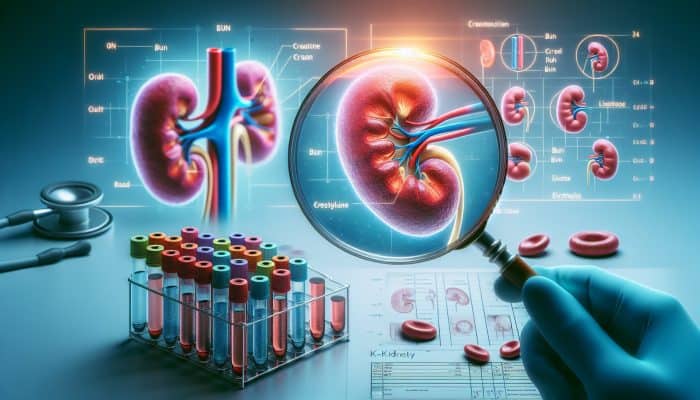
A kidney blood test is an indispensable medical assessment that evaluates the efficiency of your kidneys by examining specific substances present in your blood. This significant test highlights critical indicators such as Creatinine, <a href="https://ad4sc.com/kidney-blood-test-guide-essential-information-for-bolton-residents/">blood urea nitrogen (BUN)</a>, and vital electrolytes like sodium and potassium. By meticulously analyzing these components, healthcare professionals can gather profound insights into your kidneys’ functionality, which is paramount for the early identification of potential health issues. This routine examination is especially crucial for individuals predisposed to kidney disease, aiding in the implementation of proactive health management strategies.
The kidneys play a pivotal role in various essential functions, such as filtering waste from the blood, managing fluid balance, and regulating electrolyte levels in the body. Therefore, comprehending the results of a kidney blood test is vital for effective health management. This simple procedure, typically conducted in a range of healthcare settings—from hospitals to private clinics—requires drawing a small blood sample. Despite its straightforward nature, the implications of this test for diagnosing and tracking kidney health are extensive, emphasizing its importance in overarching health management.
How Frequently Should You Undergo Kidney Health Testing?
The suggested frequency for kidney blood tests can significantly differ based on individual health circumstances and risk factors. For individuals with pre-existing conditions like diabetes or hypertension, regular testing becomes essential for closely monitoring kidney performance. Healthcare providers generally recommend annual or biannual testing for individuals at risk, while those without notable health concerns may only require testing every few years. Your healthcare provider will consider your medical history, lifestyle factors, and any current symptoms when proposing an appropriate testing schedule.
If you experience symptoms like fatigue, swelling, or changes in urination, it is wise to consider increasing the frequency of your tests. Consistent monitoring is vital not only for the early identification of possible kidney complications but also for assessing the effectiveness of any treatments should health issues arise. Collaborating with your healthcare provider to create a personalized testing schedule is crucial for sustaining optimal kidney health and overall well-being.
What Preparatory Steps Are Necessary Before Your Kidney Blood Test?
Proper preparation for your kidney blood test is essential to ensure the results’ accuracy. Depending on the specific tests requested, fasting may be required prior to the blood collection. Generally, fasting involves abstaining from all food and beverages—except water—for a period ranging from 8 to 12 hours before the test. Additionally, it may be necessary to temporarily discontinue certain medications, vitamins, or supplements, so it is vital to communicate openly with your healthcare provider regarding any substances you are currently taking.
Other preparatory actions could include maintaining adequate hydration, as proper fluid intake can improve the blood collection process and enhance sample quality. It is also advisable to refrain from vigorous physical activity and alcohol consumption in the days leading up to your test, as these factors may potentially affect your results. By carefully following your healthcare provider’s instructions, you can secure the most accurate evaluation of your kidney function and health.
How Can You Understand the Results of Your Kidney Blood Test?

The results of your kidney blood test offer crucial information regarding your kidney health. Abnormal levels of the substances tested can indicate a variety of underlying health concerns. For instance, elevated creatinine levels may suggest that your kidneys are not filtering waste effectively, while increased BUN levels might signal dehydration or potential kidney dysfunction. It is important to remember that these results should not be interpreted in isolation; they must be understood in conjunction with your medical history, symptoms, and possibly additional diagnostic tests.
A qualified healthcare professional will help you interpret your results, clarifying what each marker signifies about your health status. Common interpretations of test results may include:
- Creatinine: High levels can indicate decreased kidney function.
- BUN: Elevated levels may suggest kidney dysfunction or dehydration.
- Electrolytes: Imbalances could indicate kidney or metabolic disorders.
- GFR: A lower glomerular filtration rate indicates reduced kidney performance.
Grasping the implications of these results is critical for timely intervention and effective health management when necessary, ensuring appropriate actions are taken based on the findings.
What Different Types of Kidney Blood Tests Are Available?
Numerous types of kidney blood tests focus on different facets of kidney function. The most commonly performed tests include serum creatinine, blood urea nitrogen (BUN), and the glomerular filtration rate (GFR) test. Understanding these tests can empower patients to make informed decisions regarding their health and treatment options.
The serum creatinine test gauges the concentration of creatinine in the blood, offering valuable insights into the kidneys’ ability to filter this waste product effectively. The BUN test evaluates the nitrogen content in the blood derived from urea, a waste product produced during protein metabolism. Lastly, the GFR test estimates how efficiently your kidneys filter blood, providing a comprehensive overview of overall kidney function.
Each of these tests is critically important for monitoring kidney health, particularly for individuals with risk factors such as diabetes or hypertension. A healthcare provider will assist in determining which tests are most appropriate based on your unique health profile and existing medical conditions, ensuring you receive the necessary evaluations.
How to Access Kidney Blood Testing Services in Chesterfield
Where Can You Locate Local Hospitals Offering Kidney Blood Tests?

Residents of Chesterfield have access to a variety of local hospitals providing kidney blood tests. The Chesterfield Royal Hospital is recognized as one of the premier facilities offering comprehensive diagnostic services, including thorough evaluations of kidney function. Patients are encouraged to verify the availability of these services and to schedule appointments in advance to minimize wait times.
Local hospitals are typically equipped with dedicated laboratories staffed by skilled technicians who ensure accurate and timely analyses of test samples. When visiting a hospital for your kidney blood test, it is advisable to carry identification and any necessary medical referrals. Checking if the hospital offers online booking options can further enhance convenience.
Besides hospitals, various healthcare facilities in Chesterfield also provide kidney blood testing services. It is prudent to research the specific offerings at each location to select one that best aligns with your testing requirements and health needs.
What Advantages Do Private Clinics Offer for Kidney Blood Tests in Chesterfield?
For those seeking immediate access to kidney blood tests, private clinics in Chesterfield present an excellent alternative. These clinics often provide services with shorter waiting times compared to public hospitals. Many private facilities cater to patients requiring quick testing and results, which can be particularly beneficial for individuals managing chronic health conditions.
While some private clinics may accept walk-ins, others might necessitate a referral from your GP for certain tests. It is advisable to review the clinic’s website or contact them directly to clarify their procedures and any required documentation.
These clinics often create a comfortable, patient-centric environment, ensuring individuals feel at ease during their testing experience. Additionally, the flexible scheduling options can accommodate the busy lifestyles of many patients, facilitating the prioritization of their health needs.
What Services Do GP Surgeries Provide for Kidney Blood Testing?
Many GP surgeries in Chesterfield are equipped to perform kidney blood tests, providing a convenient option for residents. These surgeries facilitate routine monitoring of kidney health, especially for those with risk factors or patients on medications that may influence kidney function.
Typically, during a standard appointment, your GP can assess your health status and determine if a kidney blood test is warranted. Often, the test can be conducted on-site, with results available within a few days. This streamlined process allows for timely follow-ups and interventions when required, ensuring that patients receive the necessary care.
Patients should feel encouraged to openly discuss any symptoms or concerns related to kidney health with their GP. Such transparency promotes a proactive healthcare approach, ensuring that patients receive appropriate monitoring and personalized care tailored to their specific health requirements.
How Do Mobile Health Services Improve Access to Kidney Blood Testing?
In Chesterfield, mobile health services offer a convenient and innovative approach to kidney blood testing, delivering essential services directly to patients’ homes. This option is especially beneficial for individuals with mobility challenges or those who prefer to avoid traditional hospital environments. Mobile health providers usually offer a variety of diagnostic tests, including kidney blood tests, in community settings or directly at the patient’s home.
Patients utilizing these services can expect a professional and efficient experience, with trained healthcare personnel conducting tests in a comfortable and familiar environment. To access mobile health services, patients can contact local providers to schedule appointments based on their convenience.
Utilizing mobile health services signifies a more personalized approach to healthcare, ensuring individuals remain engaged with their health needs without the stress associated with conventional hospital or clinic visits. These services also contribute to broader public health efforts by enhancing accessibility and promoting widespread testing, ultimately benefiting community health.
Expert Insights on Kidney Blood Tests in Chesterfield
What Valuable Information Can Your Test Results Provide?
Interpreting the results from your kidney blood test can be intricate, as values can vary based on individual health factors. The numerical outcomes obtained from the tests provide insights into the functional state of your kidneys. However, comprehending these results necessitates expert guidance from a healthcare professional who can contextualize the numbers based on your medical history, age, and other pertinent health factors.
Common test results typically fall within set reference ranges, with deviations potentially indicating different health issues. For instance, a serum creatinine level exceeding the normal range may signal compromised kidney function, while abnormal BUN levels could suggest other underlying health conditions that require further attention.
Your healthcare provider will assist in interpreting results and may offer common explanations such as:
- Creatinine: Elevated levels may indicate renal impairment.
- BUN: Increased levels could suggest kidney dysfunction or dehydration.
- Electrolyte Imbalances: Abnormalities may indicate metabolic issues.
- GFR: A reduced GFR indicates diminished kidney performance.
Having a clear understanding of your results is crucial for making informed health decisions and planning any necessary treatments moving forward, ensuring that you receive adequate support in managing your kidney health.
What Steps Should You Take if Your Results Indicate Abnormalities?
If your kidney blood test results are abnormal, it is essential to follow up with your healthcare provider for further testing or consultation. Abnormal results can signify a range of potential health issues, from mild to severe, so prompt follow-up is crucial for effective management. Your doctor may recommend additional tests or imaging studies to clarify the situation and outline an appropriate course of action.
Actionable steps for patients receiving abnormal results include:
- Consult with your healthcare provider to discuss the implications of the results.
- Request further testing if recommended to clarify any uncertainties.
- Consider lifestyle modifications that may improve kidney function, such as dietary changes.
- Stay informed about your condition by seeking educational resources and support.
Taking proactive measures will help you effectively manage your health concerns while closely collaborating with your healthcare team to achieve the best possible health outcomes.
Understanding the Role of Nephrologists in Your Kidney Care
Nephrologists, or kidney specialists, play an essential role in managing kidney health, particularly when kidney blood test results reveal potential dysfunction. These experts possess extensive training in diagnosing and treating kidney diseases, allowing them to create individualized treatment plans based on specific test results.
Patients should contemplate consulting a nephrologist if they receive abnormal test results or if they have significant risk factors for kidney disease, such as diabetes or hypertension. A specialist can conduct a thorough evaluation, recommending additional diagnostic tests, lifestyle changes, or specific medications as necessary to optimize kidney health.
Their comprehensive understanding of kidney function enables nephrologists to provide targeted management strategies, potentially leading to significantly improved health outcomes. Engaging with a kidney specialist can also provide peace of mind, ensuring that patients receive dedicated care focused on their unique health needs and concerns.
What Best Practices Should You Follow to Prepare for Your Kidney Blood Test?
To guarantee accurate results from your kidney blood test, proper preparation is paramount. Here are essential steps to consider before your test:
- Stay well-hydrated, as adequate hydration improves the quality of the blood sample.
- Avoid certain medications, particularly those that affect kidney function, as advised by your doctor.
- Inform your healthcare provider about any supplements or vitamins you regularly take.
- Consider pausing the consumption of high-protein foods or alcohol before the test, if recommended by your healthcare provider.
Following these steps can significantly enhance the accuracy of your test results. Always consult your healthcare provider regarding specific requirements tailored to your situation. Taking these precautions reflects a proactive approach to your kidney health, ensuring you receive the most reliable information for ongoing health management.
What Advantages Does Kidney Blood Testing Offer?
Identifying Kidney Disease Early to Improve Health Outcomes
One of the most significant benefits of kidney blood testing is its capacity to detect kidney disease early in its development. Early identification is crucial as it allows for timely intervention and management, which can greatly enhance patient outcomes. For instance, identifying elevated creatinine levels before they progress into advanced disease can prompt necessary lifestyle changes or medical treatments that may prevent further decline in kidney function.
Regular testing facilitates the early identification of at-risk individuals, enabling healthcare providers to proactively monitor kidney health. For those with existing conditions like diabetes, hypertension, or a family history of kidney disease, routine blood tests can serve as a critical tool for early intervention. When kidney issues are detected early, it can lead to improved overall health and reduced healthcare costs in the long run, benefiting both individuals and the healthcare system.
Continuous Monitoring of Kidney Function for High-Risk Patients
For individuals with chronic conditions or those at risk of kidney disease, regular kidney blood testing is essential for ongoing monitoring. This consistent assessment allows healthcare providers to track changes in kidney function over time, enabling necessary adjustments to treatment plans and improving health outcomes.
Common conditions that necessitate ongoing kidney monitoring include:
- Diabetes: High blood sugar levels can gradually damage the kidneys.
- Hypertension: Elevated blood pressure can place stress on the kidney’s blood vessels, impairing their function.
- Heart Disease: The interconnectedness of heart and kidney health means cardiovascular issues can also affect renal function.
- Obesity: Increased body weight can negatively impact kidney function and heighten the risk of disease development.
With consistent monitoring, healthcare providers can intervene more effectively, making necessary adjustments to treatments or recommending lifestyle changes that promote kidney health and overall well-being.
Assessing Treatment Effectiveness Through Kidney Blood Testing
For patients undergoing treatment for kidney-related issues, kidney blood tests are crucial for evaluating the effectiveness of therapies. Regular testing enables healthcare providers to assess the success of a treatment plan and determine if any modifications are necessary. For example, if a patient is on medication for hypertension, periodic kidney blood tests can help ascertain whether kidney function is improving or if further adjustments are warranted.
By analyzing the outcomes of kidney blood tests, healthcare professionals can make informed decisions about continuing, modifying, or changing treatment approaches. This ongoing assessment not only enhances patient care but also guarantees optimal health outcomes by tailoring treatments to meet individual patient needs and circumstances.
What Steps Are Involved in a Kidney Blood Test?
Understanding the Kidney Blood Testing Process: Key Steps
The procedure for obtaining a kidney blood test is usually straightforward and involves several essential steps. Initially, a healthcare professional will prepare the patient for the blood draw by sanitizing the area on the arm where the blood will be extracted. Here are the primary steps involved in the testing process:
- Identification: Confirming the patient’s identity and explaining the procedure to ensure understanding.
- Preparation: Cleaning the blood draw site with an antiseptic to minimize infection risk.
- Sample Collection: Drawing blood from a vein, typically in the arm, using a sterile needle.
- Sample Handling: Placing the blood sample in appropriate containers for laboratory analysis.
These steps are designed to ensure the accuracy and reliability of the test results. The entire process typically takes only a few minutes, and patients can resume their normal activities shortly thereafter. Understanding these procedures can help alleviate any anxiety associated with the test and make the experience more comfortable.
What Key Substances Are Evaluated in Kidney Blood Tests?
Kidney blood tests assess various substances that provide critical insights into kidney functionality. Key components evaluated include creatinine, urea, and electrolytes.
– Creatinine is a waste product produced by muscles, and its level in the blood indicates how effectively the kidneys filter waste. Elevated levels typically signal impaired kidney function.
– Blood Urea Nitrogen (BUN) measures the amount of nitrogen in your blood that comes from urea, a waste product formed after protein digestion. High BUN levels may indicate kidney dysfunction or other health issues.
– Electrolytes are minerals in the blood that help regulate various bodily functions, including fluid balance and muscle contractions. Abnormal levels can indicate problems with kidney function or other metabolic disorders.
Understanding what substances are measured empowers patients to interpret their results more effectively and fosters informed discussions with healthcare providers regarding their kidney health and management.
How Long Does It Take to Receive Results from Your Kidney Blood Test?
The timeframe for receiving results from a kidney blood test can vary depending on the laboratory processing the samples. Typically, patients can expect results within a few days, although some facilities may offer expedited services that provide results within hours for urgent cases.
Once your blood sample is analyzed, your healthcare provider will reach out to discuss the findings. If abnormalities are detected, they may arrange follow-up appointments or additional testing to clarify the situation and ensure appropriate actions are taken.
Being informed about the expected timeline for results can help reduce anxiety during the waiting period and enable patients to plan accordingly for any necessary follow-up care and interventions.
Research-Driven Advantages of Kidney Blood Testing in Chesterfield
Enhancing Patient Outcomes Through Consistent Testing
Research consistently demonstrates that routine kidney blood testing among at-risk populations can significantly improve health outcomes. For instance, early identification of kidney impairment allows for timely intervention, which can slow the progression of kidney disease and reduce the risk of complications such as renal failure.
Real-world examples illustrate the success of proactive kidney monitoring. Patients who undergo regular testing often experience better management of their conditions, leading to fewer hospitalizations and an overall improved quality of life. Such advancements underscore the critical role that kidney blood tests play in public health, particularly in communities facing high rates of diabetes and hypertension. By investing in regular testing, healthcare systems can enhance overall health outcomes and reduce long-term healthcare costs.
The Cost-Effectiveness of Early Detection via Testing
One of the notable benefits of kidney blood testing is its cost-effectiveness in preventing severe health complications. Early detection of kidney disease through routine testing can significantly reduce the necessity for more expensive treatments later on, such as dialysis or kidney transplantation.
Studies suggest that early intervention can save the healthcare system substantial amounts of money by decreasing the need for hospital stays and intensive treatments. For example, patients diagnosed and treated for kidney issues at earlier stages often require less aggressive (and costly) therapies compared to those identified at advanced stages of the disease. This cost-saving aspect highlights the importance of routine kidney blood tests, especially for high-risk populations, as it not only yields long-term savings but also contributes to better health outcomes for both individuals and the healthcare system.
Advancing Public Health Initiatives Through Kidney Testing
Kidney blood testing is a fundamental aspect of public health initiatives aimed at alleviating the burden of kidney disease within communities like Chesterfield. Programs focused on raising awareness and educating the public about kidney health encourage individuals to seek regular testing, resulting in early detection and management of potential health issues.
Healthcare authorities often implement campaigns designed to promote the importance of kidney health and the availability of testing services. By increasing awareness, these initiatives empower individuals to take charge of their health, encouraging proactive measures that prevent disease progression and enhance overall well-being.
Moreover, public health initiatives that offer free or subsidized testing can significantly boost community involvement, ensuring that individuals from diverse backgrounds have access to crucial kidney health assessments and education.
Fostering Awareness and Education About Kidney Health
Regular kidney blood testing plays a pivotal role in raising awareness and educating the public regarding kidney health. Through community outreach programs and health fairs, individuals can learn about the significance of kidney function and the risks associated with kidney disease.
Educational initiatives typically emphasize the importance of routine testing, particularly for those at risk. By enhancing knowledge surrounding kidney health, patients are more likely to engage in preventive measures and seek timely medical attention when necessary. This increased awareness contributes to a more informed community that prioritizes health, leading to better management of existing conditions and the prevention of future health issues.
How Kidney Blood Test Results Facilitate Personalized Treatment Plans
Results from kidney blood tests enable healthcare providers to personalize treatment plans to individual patient needs, significantly improving care outcomes in Chesterfield. By understanding specific markers and their relation to kidney function, healthcare professionals can develop customized treatment strategies that address unique health concerns.
For instance, if a blood test reveals imbalances in electrolytes, a healthcare provider can modify dietary recommendations or adjust medications as necessary. This personalized approach ensures that treatment is effective and aligned with the patient’s overall health objectives.
The ability to customize care based on test results fosters a collaborative relationship between patients and healthcare providers, enhancing patient satisfaction and adherence to treatment plans, which is crucial for long-term health management.
Key Strategies for Kidney Blood Testing in Chesterfield
What Considerations Should You Make When Selecting a Testing Facility?
Choosing a reputable testing facility for your kidney blood test is vital for obtaining accurate results. When evaluating a facility, consider several factors, including:
- Accreditation: Ensure the facility adheres to regulatory standards and certifications to guarantee quality.
- Patient Reviews: Look for feedback from previous patients regarding their experiences at the facility, providing insight into the quality of care.
- Location: Choose a facility that is conveniently located for your needs to ensure easy access.
- Services Offered: Verify that the facility provides the specific tests you require, ensuring they meet your health needs.
By carefully assessing these criteria, you can select a facility that prioritizes quality care and accurate testing, ensuring that your kidney health is monitored effectively and that you receive the best possible medical care tailored to your needs.
What Should You Do Following Your Kidney Blood Test?
After undergoing a kidney blood test, it’s vital to follow up with your healthcare provider to discuss the results and any necessary next steps. During your follow-up appointment, consider asking the following questions:
- What do my test results indicate about my kidney health?
- Are any further tests or referrals necessary based on the results?
- What lifestyle changes should I consider implementing based on my test outcomes?
- How frequently should I have my kidney function tested in the future?
Asking these questions can facilitate a productive discussion, ensuring you understand your health status and the actions required moving forward. Actively engaging in your healthcare promotes better health outcomes and empowers you to manage your kidney health effectively, contributing to your overall well-being.
How to Sustain Optimal Kidney Health for Lifelong Wellness
To maintain good kidney health, incorporating healthy lifestyle choices into your daily routine is imperative. This includes making dietary adjustments, remaining physically active, and ensuring adequate hydration. A well-balanced diet rich in fruits, vegetables, and whole grains supports kidney function, while reducing salt and sugar intake can help manage blood pressure and blood sugar levels effectively.
Regular exercise is equally vital for overall health, as it enhances circulation and aids in maintaining a healthy weight. Aim for at least 150 minutes of moderate-intensity exercise each week, which can significantly improve your cardiovascular and kidney health. Staying well-hydrated is also crucial; consuming adequate water supports kidney function and helps flush out toxins from the body, further promoting health.
By adopting these practices, you can significantly decrease the risk of kidney disease and promote overall well-being. Taking proactive steps towards maintaining your kidney health is essential for long-term health success, contributing to a better quality of life.
Frequently Asked Questions About Kidney Blood Testing
What substances are measured in a kidney blood test?
A kidney blood test evaluates various substances in your blood, primarily focusing on creatinine, BUN, and electrolytes, to assess kidney function and overall health.
How often should I have a kidney blood test performed?
The frequency of testing depends on individual health risks; for those with conditions like diabetes, annual or biannual testing is usually recommended, while others may only require testing every few years.
What effective preparation steps should I follow for my kidney blood test?
Preparation involves fasting if instructed, maintaining proper hydration, and informing your healthcare provider about any medications or supplements you’re taking.
What do abnormal results from a kidney blood test indicate?
Abnormal results may suggest kidney dysfunction or other health issues; following up with your healthcare provider is essential for further evaluation and management.
Where can I obtain a kidney blood test in Chesterfield?
You can obtain a kidney blood test at local hospitals, private clinics, GP surgeries, or through mobile health services available in Chesterfield.
What is the typical turnaround time for kidney blood test results?
Results generally take a few days to arrive; however, some facilities may offer faster turnaround times for urgent cases.
What specific substances are evaluated in a kidney blood test?
Key substances include creatinine, BUN, and electrolytes, which provide critical insights into kidney function and overall health.
What advantages does regular kidney blood testing offer?
Regular testing facilitates early detection of kidney disease, continuous monitoring of kidney function, and evaluation of treatment effectiveness, leading to improved health outcomes.
How do kidney blood tests enhance patient care?
Routine testing allows for early intervention, resulting in better management of kidney conditions and a reduction in complications.
What lifestyle changes can promote better kidney health?
Adopting a balanced diet, staying hydrated, engaging in regular exercise, and managing blood pressure and blood sugar levels can significantly enhance kidney health.
Connect with us on Facebook!
This Article Was First Found On https://bloodtest.co.uk
The Article Kidney Blood Test: Your Local Guide in Chesterfield Was Found On https://limitsofstrategy.com
The Article Kidney Blood Test Guide: Find Local Services in Chesterfield First Appeared ON
: https://ad4sc.com