Discover the Exciting Realm of Virtual Reality BBQ Simulations Across America
What Is Involved in a Virtual Reality BBQ Simulation Experience?
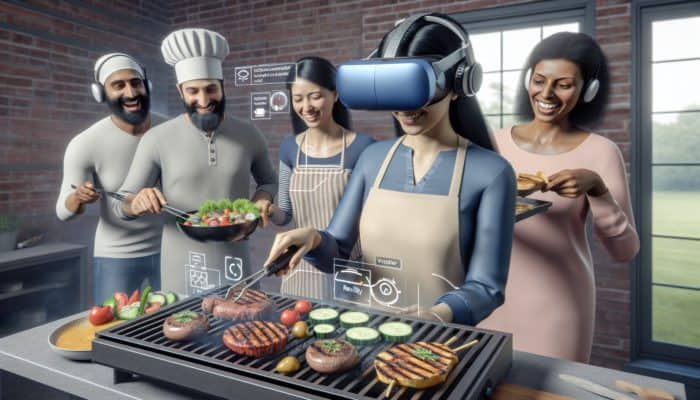
Engaging in Virtual Reality (VR) BBQ simulations signifies a remarkable advancement in technology, providing users with an immersive experience that brings them into a three-dimensional cooking environment focused on BBQ grilling. When participants wear a VR headset, they can interact with a virtual grill, offering a fantastic opportunity to learn various grilling techniques and recipes while relishing the authentic sensations associated with BBQ cooking. Key characteristics that set VR BBQ simulations apart include:
- Immersive 3D environments that accurately replicate real BBQ setups.
- Interactive tutorials designed to help users master a broad range of grilling techniques.
- Feedback systems that track progress and enhance skill development.
- Realistic audio and visual effects that simulate the authentic atmosphere of BBQ cooking.
- Customizable recipes and diverse cooking scenarios tailored to personal preferences.
- Multiplayer features that provide social cooking experiences with friends and family.
This cutting-edge method of BBQ training appeals to both passionate home cooks and culinary professionals, allowing them to refine their BBQ skills in a safe and controlled environment. This technique is especially attractive to individuals in the United States, where BBQ culture is deeply embedded and cherished.
How Has Virtual Reality Revolutionized BBQ Culture Nationwide?
The development of VR in BBQ cooking simulations has unfolded uniquely across the United States, reflecting an intriguing combination of technology and culinary heritage. Initially, VR was mainly utilized for basic cooking tutorials and educational programs. However, its incorporation into BBQ culture has evolved remarkably over the years, marked by significant milestones such as:
- Early 2000s: Initial trials with VR cooking games showcasing different culinary techniques.
- 2010: Launch of the first dedicated VR cooking simulation software aimed at BBQ enthusiasts.
- 2015: Integration of advanced graphics and physics engines to improve realism in BBQ simulations.
- 2020: Increase in popularity, fueled by the COVID-19 pandemic, as home cooking became vital.
- Present Day: Widespread application in culinary education and BBQ competitions across the nation.
These important advancements illustrate how VR has not only transformed culinary practices but has also emerged as a valuable educational tool within the BBQ culture in the United States, cultivating a new generation of grilling aficionados.
Are You Prepared to Immerse Yourself in VR BBQ Experiences?
How Easy Is It to Access VR BBQ Simulations Across the USA?
The availability of VR BBQ simulations in the United States is rapidly expanding, significantly increasing access to this groundbreaking technology for a wide range of users. Individuals can find VR BBQ simulations in various locations, including technology retail stores, online marketplaces, and culinary training establishments. Several key factors are driving this enhanced accessibility, including:
- Availability at major technology retailers like Best Buy and e-commerce platforms such as Amazon.
- Collaborations with culinary schools offering specialized VR training programs.
- Affordable VR headsets and software options that cater to diverse budgets.
- A selection of free and premium applications available for download across different VR platforms.
As VR technology continues to advance, an increasing number of individuals are likely to engage in BBQ simulations for personal enjoyment or professional skill enhancement, contributing to the enrichment of the BBQ culture throughout the nation.
Insights from Experts on Improving BBQ Skills Through Virtual Reality
How Does VR Enhance Your BBQ Skills Effectively?
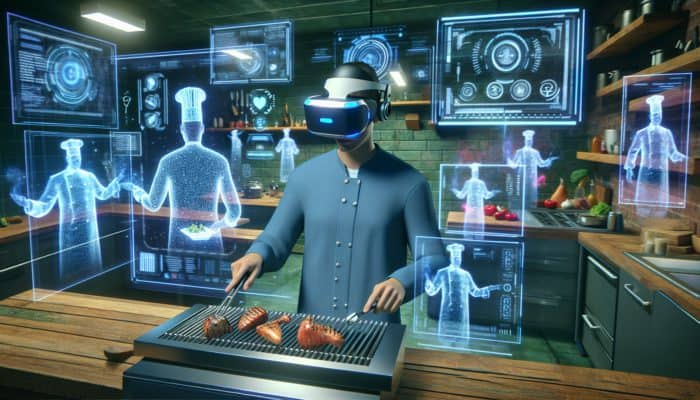
Employing VR for BBQ cooking simulations markedly improves BBQ skills by establishing a risk-free environment where users can practice without the imminent danger of accidents. Immersing themselves in a virtual space allows individuals to explore various techniques and recipes, fostering confidence and achieving proficiency. For example, a family from Texas utilized a VR BBQ simulator to prepare for their first backyard cookout. By refining their grilling methods in a virtual space, they successfully impressed their friends with perfectly cooked ribs and brisket.
Moreover, virtual lessons equip users with instant feedback on their techniques. With VR simulations capable of identifying frequent errors, users can modify their methods during practice sessions, facilitating quicker skill development than traditional learning methods. A BBQ competition team from Florida, for instance, employed VR to perfect their smoking techniques, significantly increasing their chances of excelling in regional contests. This immersive training strategy is proving invaluable in the quest for BBQ excellence across the country.
What Challenges Are Associated with VR BBQ Simulations?
Despite the numerous benefits of VR BBQ simulations, several notable challenges require attention. A primary limitation is the absence of real sensory feedback, as users cannot experience the enticing aromas of grilled meats or the flavors of their culinary creations, which may impede the overall learning experience. Furthermore, these simulations often fail to capture the unpredictable elements found in real-life BBQ, such as variations in weather conditions and fluctuations in grill performance. Expert evaluations suggest that while current VR technology can replicate many aspects of grilling, it still does not fully emulate the complete sensory experience of traditional BBQ cooking.
Another challenge pertains to the initial investment needed for high-quality VR equipment, which could deter potential users. However, as technology advances and becomes more mainstream, costs are expected to decrease. Additionally, advancements in sensory technology may lead to future enhancements, such as the integration of haptic feedback and olfactory features, enriching the overall BBQ training experience. As developers continue to innovate, promising opportunities exist for overcoming these limitations in the near future.
Top Approaches for Effective VR BBQ Training
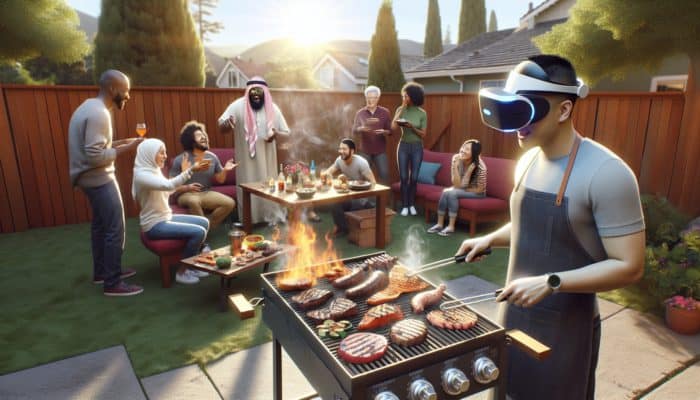
To maximize the benefits of VR BBQ simulations, users should follow specific best practices that enhance their training experience. Consistent practice sessions are essential, as regular engagement plays a significant role in developing grilling expertise. Users should dedicate time to engage with VR simulations, concentrating on different techniques and recipes during each session to expand their skill set.
Additionally, it is crucial to use VR as a complementary tool alongside real-world experiences. Taking part in actual BBQ sessions after practicing in VR can solidify the skills learned and better prepare users to tackle real-life challenges effectively. For instance, a group in California alternated between VR practice and weekend cookouts, reporting noticeable improvements in their technique and confidence levels. Furthermore, connecting with fellow users of VR BBQ simulations can cultivate a community of learners who share insights and experiences, further enriching the overall training process.
How Can VR BBQ Simulations Be Integrated into Culinary Education Curricula?
Integrating VR BBQ simulations into culinary education offers a groundbreaking approach to teaching cooking techniques. Culinary schools across the United States are starting to embrace this innovative technology, providing students with immersive learning experiences that were previously unattainable. In traditional classroom settings, students can engage in VR simulations that allow them to practice grilling techniques in a controlled environment, minimizing risks while maximizing educational opportunities.
For example, a culinary school in New York has successfully implemented VR BBQ training modules, enabling students to learn everything from igniting a grill to managing cooking temperatures in real-time. This hands-on methodology fosters a deeper understanding of complex BBQ techniques compared to conventional teaching methods. Moreover, instructors can monitor student progress through simulation software, allowing for personalized guidance and feedback tailored to each learner’s unique requirements. Consequently, these educational institutions are equipping the next generation of culinary professionals with the skills necessary to excel in the competitive BBQ landscape.
What Role Does VR Play in Professional BBQ Competitions?
In the world of professional BBQ competitions, VR serves as a vital training resource for competitors. By allowing participants to refine their techniques and strategies, VR alleviates many physical resource limitations. Competitors can practice their skills in diverse virtual environments, simulating the various cooking conditions and challenges they may encounter during actual contests.
A notable example is a BBQ team from Kansas City that utilized VR simulations to prepare for the prestigious World BBQ Championship. By honing their seasoning techniques and timing through repeated virtual practice, they improved their performance in crucial judging categories. Additionally, VR enables competitors to visualize their cooking processes, helping them identify areas for improvement before facing off against other skilled teams. As the competitive BBQ landscape evolves, VR is becoming an essential tool for those striving to gain a competitive advantage.
What Are the Key Advantages of Engaging with VR BBQ Simulations?
Improving Safety in BBQ Cooking Techniques
One of the most significant benefits of VR BBQ simulations is their capability to enhance safety during the cooking process. Traditional BBQ cooking is fraught with risks, including burns and accidents associated with hot equipment. By practicing in a virtual environment, users can build confidence and master techniques without facing the physical dangers tied to actual grilling.
In states like Texas, where BBQ is a cultural cornerstone, the likelihood of accidents tends to rise during the busy cookout season. VR simulations can offer vital training in safety practices, including the proper handling of hot surfaces and the safe use of grilling tools, thereby helping to reduce the incidence of injuries. Furthermore, users can learn effective responses to emergencies, such as grease fires, through realistic simulations that prepare them for unpredictable scenarios. This focus on safety not only protects individuals but also fosters a culture of responsible grilling within communities.
Cost-Effectiveness of VR BBQ Training Solutions
Utilizing VR for BBQ training proves to be a financially beneficial alternative to traditional methods. One of the main economic advantages is the reduction of physical materials, which leads to decreased waste. Aspiring chefs no longer need to purchase vast quantities of meat and other ingredients for practice, as they can explore and experiment virtually.
Additionally, VR training systems often come equipped with comprehensive software packages that allow users to delve into various recipes and techniques without incurring the continuous costs associated with physical cooking classes. In states like California, where culinary schools are embracing VR technology, students are finding that they can complete their training more economically while still achieving excellent educational outcomes. By integrating technology with culinary education, users can significantly reduce their overall training expenses while mastering essential BBQ skills.
Environmental Benefits of Utilizing VR BBQ Simulations
The environmental impact of VR BBQ simulations is noteworthy. With growing concerns regarding climate change and carbon footprints, applying VR for barbecue training can positively contribute to environmental conservation efforts in the United States. By decreasing the number of actual BBQ sessions, users can lower their carbon emissions associated with cooking.
Moreover, reducing food waste is another essential aspect of VR simulations. Instead of discarding poorly cooked dishes, users can practice and perfect their recipes without generating excess waste. In states like Oregon, where sustainability is prioritized, culinary institutions are leveraging VR technology to promote eco-friendly practices among future chefs and BBQ enthusiasts. As communities become more conscious of their environmental footprint, incorporating VR BBQ simulations into training programs offers a pathway to more responsible cooking practices.
How Do VR BBQ Simulation Technologies Function?
Essential Hardware Needed for VR BBQ Simulations
To effectively operate VR BBQ simulations, users must have specific hardware. A VR headset is essential, acting as the primary interface for immersion. Popular options include the Oculus Quest 2 and HTC Vive, both of which provide rich and engaging experiences. Additionally, compatible controllers are crucial for navigating the virtual environment and interacting with the simulated BBQ equipment.
Some advanced setups may require additional sensors or cameras to accurately track movements and enhance the realism of the experience. For example, the Valve Index features finger-tracking controllers that simulate precise hand movements, contributing to the immersive quality of BBQ simulations. As technology progresses, increasingly affordable and user-friendly VR hardware options are becoming available, making it easier for BBQ enthusiasts to engage in training from the comfort of their homes.
Software Solutions Tailored for VR BBQ Experiences
A diverse array of software and applications exists for VR BBQ simulations, catering to a wide range of users. From free applications to specialized paid programs, various options are available to meet every need and budget. Notable applications include BBQ Simulator and Grill Master VR, both of which offer comprehensive training experiences focused on various aspects of grilling.
Furthermore, many platforms now incorporate social elements, allowing users to connect with others and share their experiences. Some applications even introduce competitive aspects, enabling users to participate in virtual BBQ contests, adding an exciting dimension to the learning process. As the demand for VR BBQ simulations continues to grow, developers are actively innovating, expanding the available options, and enhancing the overall user experience.
Integrating VR with Real BBQ Equipment for Enhanced Training
The future of VR BBQ simulations lies in their potential integration with actual BBQ equipment. Some advanced simulations can sync with real grills and cooking devices, offering a more immersive and authentic training experience. This integration enables users to practice their skills in a virtual environment while directly applying those techniques in real-world scenarios.
For instance, a simulation platform could connect to a smart grill that monitors temperature and cooking times. Users would receive immediate feedback within the VR environment while controlling the actual grill, creating a seamless learning experience. As technology progresses, the convergence of virtual and physical cooking is anticipated to become increasingly common, making VR BBQ simulations an invaluable asset for both aspiring chefs and seasoned veterans.
Skill Development and Tailored Training in VR BBQ
VR BBQ simulations offer customized training modules designed to enhance grilling techniques and safety practices. Users can engage in focused practice sessions that emphasize essential skills, including meat preparation, marination, and cooking times. With immediate feedback mechanisms embedded within the software, users can rectify mistakes and refine their techniques in real-time.
For example, culinary schools throughout the Midwest are enabling students to access modules that simulate various meat cuts and optimal cooking practices for each. This targeted training approach assists students in comprehending the intricacies of BBQ cooking while reinforcing safety practices, ultimately preparing them for both home grills and professional kitchens. As educational tools, these VR simulations not only bolster skill development but also nurture a generation of skilled BBQ enthusiasts equipped with the knowledge and experience to succeed.
Encouraging Social Interaction and Multiplayer Features in VR BBQ
Many VR BBQ simulations incorporate social and multiplayer features, enriching the grilling experience by allowing users to connect with friends and fellow BBQ aficionados. These interactive options enable users to collaborate and engage in virtual settings, promoting a sense of community and camaraderie. From competitive cook-offs to collaborative recipe challenges, the social dynamics of VR BBQ simulations enhance the overall enjoyment of the grilling process.
In states like Florida, where BBQ festivals are commonplace, these simulations can serve as a preparatory tool for real-life events, allowing enthusiasts to practice and strategize together. Users can exchange tips and techniques, fostering camaraderie while sharpening their skills. As the popularity of VR cooking continues to rise, the incorporation of social features will undoubtedly play a significant role in shaping the future of BBQ culture.
Effective Strategies for Maximizing the Benefits of VR in BBQ Cooking Simulations
How to Integrate VR Seamlessly into BBQ Competitions
Incorporating VR into BBQ competitions can significantly enhance participants’ training and preparation. By simulating competitive environments, aspiring competitors can practice under pressure without the limitations of physical resources. Contestants can use VR to refine their cooking techniques, perfect their timing, and enhance their flavor profiles.
An actionable strategy is to develop a structured training schedule that includes dedicated VR practice sessions. Competitors should identify specific techniques they wish to improve and focus on those during their virtual training. Additionally, they can utilize VR to analyze their past competition performances, pinpointing areas for improvement based on simulated feedback. As more BBQ competitions recognize the value of VR training, this technology could become a standard tool in the preparation toolkit for serious competitors.
Implementing VR BBQ Simulations Within Educational Institutions
Educational institutions across the United States are increasingly adopting VR BBQ simulations to teach culinary students about BBQ techniques and safety. These programs offer an innovative and engaging method for students to acquire essential skills, bridging the gap between theoretical knowledge and practical application. Notably, a culinary school in Chicago has integrated VR simulations into its curriculum.
In this program, students utilize VR to practice cooking techniques, encounter various grilling conditions, and even participate in virtual competitions. This hands-on experience not only enhances learning but also prepares students for the real-world challenges they may face in the culinary field. As culinary schools recognize the advantages of VR technology, the adoption of these simulations is likely to expand, paving the way for a new generation of BBQ-savvy professionals.
Customizing and Personalizing VR BBQ Experiences for Enhanced Learning
Customisation and personalisation are crucial for the effectiveness of VR BBQ simulations. Users can tailor their virtual experiences to align with their preferences, boosting engagement and facilitating skill development. For example, users can select specific recipes, adjust difficulty levels, and even design their own virtual grills that reflect their unique styles.
Expert insights indicate that this level of customization is vital for maximizing the effectiveness of VR training. By allowing users to focus on areas that capture their interest or present challenges, they are more likely to remain motivated and continue improving their performance. Additionally, culinary schools can integrate personalized learning paths into their VR training modules, accommodating diverse skill levels and learning styles. As this trend towards personalization evolves, it will enrich user experiences and deepen connections to BBQ culture.
Emerging Innovations in VR BBQ Simulations Throughout the United States
Technological Advancements Shaping the Future of VR for BBQ
The future of VR BBQ simulations appears promising, with ongoing technological advancements set to enhance realism and functionality. Innovations in graphics, processing power, and user interfaces are poised to create increasingly immersive experiences, allowing users to feel as though they are genuinely grilling in a real-world environment. For instance, improvements in graphics rendering could enable more realistic smoke and fire effects, amplifying the overall sense of presence.
As technology continues to develop, we can also anticipate the integration of artificial intelligence within VR BBQ simulations. This could facilitate more dynamic interactions, where users receive customized feedback based on their unique cooking styles and preferences. As these advancements materialize, they will undoubtedly broaden the possibilities for both recreational and professional BBQ training.
Cross-Integration with Other Culinary Simulations for Comprehensive Learning
Looking ahead, VR BBQ simulations may increasingly merge with other culinary simulations, creating comprehensive virtual cooking experiences. This integration could allow users to explore various cooking styles and techniques, blending BBQ with baking, sautéing, and other culinary arts within a single platform.
For instance, a user might engage in a virtual cooking school that encompasses BBQ, pastry-making, and global cuisines, allowing them to expand their culinary skills. This holistic approach not only enhances learning but also nurtures creativity among users as they experiment with diverse cooking methodologies. As the demand for versatile culinary training increases, the fusion of VR BBQ simulations with other culinary disciplines is likely to become a significant trend in the industry.
Market Expansion and Consumer Embrace of VR BBQ Simulations
The market for VR BBQ simulations in the United States is expected to witness substantial growth as consumer adoption rises. Factors driving this expansion include the popularity of home cooking trends, the increasing allure of immersive technology, and the growing acknowledgment of VR as a valuable training resource. Recent events, such as the COVID-19 pandemic, have heightened interest in home BBQ cooking, amplifying the demand for virtual training solutions.
As more consumers become aware of the benefits of VR BBQ simulations, we can anticipate a surge in new products, services, and platforms specifically designed for BBQ enthusiasts. This growth will benefit both amateur cooks and professional chefs, offering innovative avenues for honing skills and exploring new cooking techniques.
Future Sensory Feedback Enhancements in VR BBQ Simulations
Future VR BBQ simulations may incorporate advanced haptic and olfactory technologies, significantly elevating sensory realism and user immersion. By integrating haptic feedback devices, users could physically feel the heat of the grill and the texture of various meats, creating a more authentic cooking experience.
Additionally, olfactory technology could allow users to experience the delightful aromas of grilled meats and spices, making the training process even more engaging and immersive. As these technologies become available, they are set to revolutionize how users interact with VR BBQ simulations, delivering an unparalleled level of realism that closely mimics the actual BBQ cooking experience. The potential for enhanced sensory feedback will certainly strengthen the effectiveness of training, bridging the gap between virtual and real-world cooking.
Educational Adoption of VR BBQ Simulations in Culinary Institutions
Ultimately, VR BBQ simulations are anticipated to see increased adoption in culinary schools across the United States for training purposes. As these institutions recognize the value of immersive learning experiences, they will incorporate VR into their curricula, providing students with safe and cost-effective methods to practice BBQ techniques.
By leveraging VR technology, culinary schools can prepare students for the complexities of real-world cooking environments while ensuring safety and minimizing food waste. As more educational establishments integrate VR BBQ training, the next generation of culinary professionals will be better equipped to tackle the challenges of the culinary industry, ultimately enriching the overall quality of BBQ culture in the United States.
Frequently Asked Questions Regarding VR BBQ Simulations
What Is the Concept of a VR BBQ Simulation?
A VR BBQ simulation provides an immersive virtual reality experience that enables users to practice grilling techniques in a safe environment, enhancing their BBQ skills without the risks associated with real-world cooking.
How Does VR Effectively Improve BBQ Skills?
VR enhances BBQ skills by offering a risk-free space for practicing techniques and experimenting with recipes, allowing users to gain confidence and proficiency through immediate feedback.
What Are the Limitations of VR BBQ Simulations?
Current limitations include a lack of real sensory feedback, such as aroma and taste, along with initial costs associated with high-quality VR equipment, which may discourage some users.
How Can VR Be Integrated into Culinary Education?
VR can be integrated into culinary education by providing immersive training experiences that allow students to practice BBQ techniques in a controlled, safe setting, augmenting traditional teaching methods.
What Role Does VR Play in BBQ Competitions?
VR serves as a valuable training tool for BBQ competitors, enabling them to refine their techniques and strategies in simulated environments before facing real-life challenges.
How Do VR BBQ Simulations Contribute to Safety?
VR BBQ simulations enhance safety by allowing users to practice cooking techniques without the risks of burns or accidents associated with actual grilling, promoting responsible cooking habits.
What Financial Benefits Are Associated with Using VR for BBQ Training?
Utilizing VR for BBQ training is cost-effective as it eliminates the need for physical materials, reduces food waste, and offers affordable software options compared to traditional methods.
In What Ways Do VR BBQ Simulations Affect the Environment?
VR BBQ simulations positively impact the environment by reducing the need for actual cooking sessions, which lowers carbon emissions and minimizes food waste.
What Hardware Is Required for VR BBQ Simulations?
Hardware requirements include a VR headset, compatible controllers, and potentially additional sensors to provide an immersive experience in BBQ cooking simulations.
What Future Trends Can We Expect in VR BBQ Simulations?
Future trends may encompass advancements in sensory feedback technology, integration with other culinary simulations, and increased adoption in culinary schools, enhancing the overall learning experience.
Connect with us on Facebook!
The Article Using VR for BBQ Cooking Simulations: A US Experience appeared first on https://pitmastersarsenal.com
The Article VR BBQ Cooking Simulations: An Immersive US Experience Was Found On https://limitsofstrategy.com
The Article VR BBQ Cooking Simulations: Immerse Yourself in a Unique Experience First Appeared ON
: https://ad4sc.com